Welcome to the official blog of Third Place Books

Friday, September 19, 2014

HOBBIT DAY!!!!

Get ready to take your shoes off and free those Hobbit feet, it's Tolkien week! And September 22nd is Hobbit Day!

Hobbit Day was first celebrated in 1978 to commemorate the birthdays of everyone's favorite hobbits, Biblo and Frodo. Annie at Lake Forest Park is super excited and advises that any festivities "should include many, many fireworks (possibly dragony in nature), eating cake, and lots of dancing." And in all your revelry, she begs you not to forget, "elevensies, the most important meal of the day! Except for, of course, breakfast, second breakfast, dinner, and supper." Head over to the American Tolkien Society's site for more history and lore on Hobbit Day.

To celebrate Hobbit Day, The EMP will be displaying some awesome Hobbit and Lord of the Rings artifacts.  They'll be unveiling Sting, the dagger used by Bilbo and Frodo, as well as Aragorn's sword and Gimli's axe. Click here for more info.

In my "research" for this post, I was checking out Wikipedia's page on the Middle Earth Calendar. It is mind blowing. Bet you've never thought much about Shire-reckoning. Maybe you should start. I also stumbled on to The One Ring, and its Today in Middle Earth calendar. It's really astounding how much time and effort fans have put in to the upkeep of this website. Just for kicks, I checked out what happened in Middle Earth on my birthday:

When :March 4, 3019
Where: Helm's Deep
Description: Gandalf returns. (not from the appendices)
 "There suddenly upon a ridge appeared a rider, clad in white, shining in the rising sun. Over the low hills the horns were sounding."
Very cool.

Here are a few of Annie's hand-picked, favorite, hobbity books:

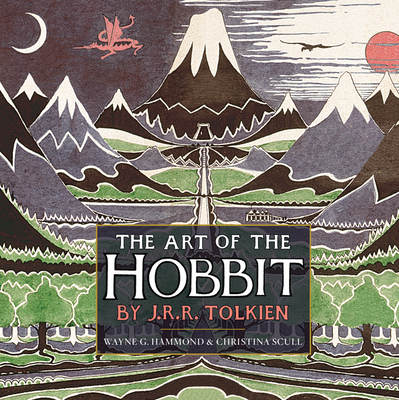
The Art of the Hobbit by J.R.R. Tolkien edited by Wayne Hammond and Christina Scull

This beautiful book was released a few years ago to celebrate the 75th anniversary of The Hobbit's publication. I'm so glad it was! Tolkien was not only a talented author, but also a brilliant artist. This book is stuffed full of sketches, paintings, doodles, maps, and plans, as well as the complete Hobbit illustrations. Hammond and Scull lead the reader through Tolkien's work, some of which had never been published before this book was released. It's an easy and wonderful way for Hobbit and Lord of the Rings fans to get to know another side of the beloved author who created Middle Earth.

The Hobbit illustrated by Alan Lee

Though I love The Hobbit with Tolkien's original illustrations, this breathtaking edition with Alan Lee's beautiful drawings really is my favorite edition. He captures Middle Earth with such clarity and accuracy, I find myself falling into the Shire with every turn of the page. Smaug is devastating in all his dragon glory, Beorn's bear is glorious and terrifying, and I wish I could burrow myself into Bag End. A must have for even the smallest Hobbit fan.

And here's a trailer for that movie that's coming out soon...

So there you go. Raise up a buttered scone or perhaps some mushrooms, and enjoy a most festive Hobbit Day, and a merry Tolkien Week!

Friday, September 12, 2014

I've Got That John Franklin Fever

I'm in the grips of a certain mania; dealing with a severe bout of Sir John Franklin Fever. Don't ask, I just really dig polar explorations, and mysterious disappearances, and quests for lost ships. So you can imagine my excitement, glee really at this week's news.

Some Canadians think they've found one of Franklin's lost ships on the bottom of the sea. It's been missing for over 160 years, and they found it! Scientists are saying it's the greatest archaeological discovery since finding King Tut's tomb. Franklin's ships, Terror and Erebus vanished on the ice along with all 129 crew members in 1845. They were searching for the fabled Northwest Passage, which incidentally is no longer fabled, thanks to melting polar ice.
THAT'S THE BOAT!!!! CRAZY!
So, in honor of my weird Franklin obsession, here are some books you must check out:

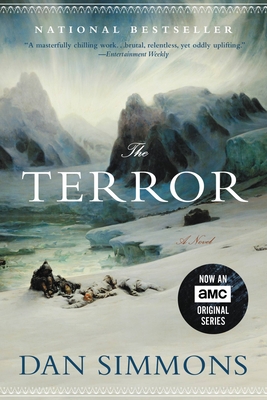
The Terror by Dan Simmons
Obviously, you have to read this. It's awesome. This book was recommended to me by a customer. And I LOVED it!

This fantastical re-imagining of Sir John Franklin's ill-fated final search for the Northwest Passage reads pretty accurately based on the little I know. It uses the same dates, locations, names, even down to the wording of real-life messages recovered by rescue efforts. Yeah, it's pretty dead on...

...EXCEPT FOR THE GIANT MONSTER!!!

That's right, a vicious monster haunts the ice where Franklin and his men are trapped. Killing and maiming with abandon. But as the novel and the expedition spiral into disarray, the sailors have a lot more to worry about than one itty-bitty monster. Disease and starvation, crushing ice, brutal blizzards, endless night, and ultimately their own shipmates. But surprisingly, there is a lot more to this epic. Mysticism, hope, adventure, loyalty.

I know you're thinking, "how ridiculous, a monster." But in the end it makes so much sense. Trust me, just suspend your disbelief and push on. It's worth it. It also sports one of the most perfectly developed characters I've encountered in a long time.

I had one awful nightmare while reading this book. I also almost vomited on the bus while reading about the effects of scurvy (I actually had to skip a few paragraphs...I've never done that). But I also had one peaceful dream about solitude and the Northern Lights (I actually had that dream the night after I finished the book). I was more than a little preoccupied with this one.
***

This next one isn't actually about Franklin, or even the Arctic, but it is the book that started my interest in polar exploration.

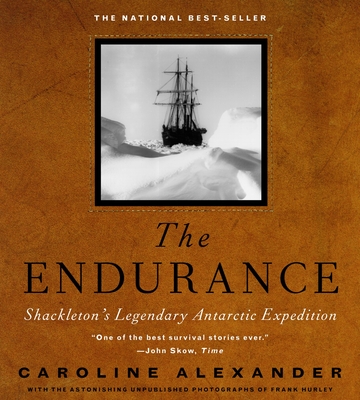
The Endurance: Shackleton's Legendary Antarctic Expedition by Caroline Alexander

In August 1914, days before the outbreak of the First World War, the renowned explorer Ernest Shackleton and a crew of twenty-seven set sail for the South Atlantic in pursuit of the last unclaimed prize in the history of exploration: the first crossing on foot of the Antarctic continent. Weaving a treacherous path through the freezing Weddell Sea, they had come within eighty-five miles of their destination when their ship, Endurance, was trapped fast in the ice pack. Soon the ship was crushed like matchwood, leaving the crew stranded on the floes. Their ordeal would last for twenty months, and they would make two near-fatal attempts to escape by open boat before their final rescue. 

Drawing upon previously unavailable sources, Caroline Alexander gives us a riveting account of Shackleton's expedition--one of history's greatest epics of survival. And she presents the astonishing work of Frank Hurley, the Australian photographer whose visual record of the adventure has never before been published comprehensively. Together, text and image re-create the terrible beauty of Antarctica, the awful destruction of the ship, and the crew's heroic daily struggle to stay alive, a miracle achieved largely through Shackleton's inspiring leadership.
***
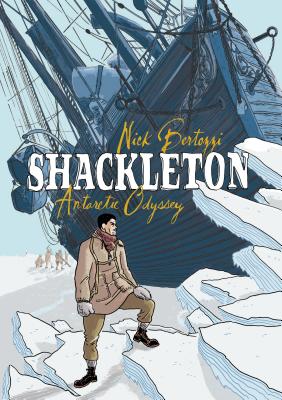
And speaking of Shackleton, there is a new, beautiful graphic novel based on the expedition that you really can't miss.
***

And last but not least, this fascinating and gripping nonfiction account of Britain's obsession with the Northwest Passage.

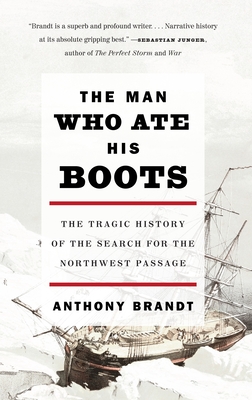
The Man Who Ate His Boots: The Tragic History of the Search for the Northwest Passage by Anthony Brandt

After the triumphant end of the Napoleonic Wars in 1815, the British took it upon themselves to complete something they had been trying to do since the sixteenth century: find the fabled Northwest Passage. For the next thirty-five years the British Admiralty sent out expedition after expedition to probe the ice-bound waters of the Canadian Arctic in search of a route, and then, after 1845, to find Sir John Franklin, the Royal Navy hero who led the last of these Admiralty expeditions. Enthralling and often harrowing, The Man Who Ate His Boots captures the glory and the folly of this ultimately tragic enterprise.

That should be enough reading for you to really nerd out on polar exploration and Franklin. Here's more on the finding of the ship if you are interested.

Monday, September 8, 2014

New Release Tuesday!

New Hardcovers

IT'S HERE! We are all so excited for this one!
Station Eleven by Emily St. John Mandel
An audacious, darkly glittering novel set in the eerie days of civilization’s collapse, Station Eleven tells the spellbinding story of a Hollywood star, his would-be savior, and a nomadic group of actors roaming the scattered outposts of the Great Lakes region, risking everything for art and humanity. 

One snowy night Arthur Leander, a famous actor, has a heart attack onstage during a production of King Lear. Jeevan Chaudhary, a paparazzo-turned-EMT, is in the audience and leaps to his aid. A child actress named Kirsten Raymonde watches in horror as Jeevan performs CPR, pumping Arthur’s chest as the curtain drops, but Arthur is dead. That same night, as Jeevan walks home from the theater, a terrible flu begins to spread. Hospitals are flooded and Jeevan and his brother barricade themselves inside an apartment, watching out the window as cars clog the highways, gunshots ring out, and life disintegrates around them. 

Fifteen years later, Kirsten is an actress with the Traveling Symphony. Together, this small troupe moves between the settlements of an altered world, performing Shakespeare and music for scattered communities of survivors. Written on their caravan, and tattooed on Kirsten’s arm is a line from Star Trek: “Because survival is insufficient.” But when they arrive in St. Deborah by the Water, they encounter a violent prophet who digs graves for anyone who dares to leave. 

Spanning decades, moving back and forth in time, and vividly depicting life before and after the pandemic, this suspenseful, elegiac novel is rife with beauty. As Arthur falls in and out of love, as Jeevan watches the newscasters say their final good-byes, and as Kirsten finds herself caught in the crosshairs of the prophet, we see the strange twists of fate that connect them all. A novel of art, memory, and ambition, Station Eleven tells a story about the relationships that sustain us, the ephemeral nature of fame, and the beauty of the world as we know it.


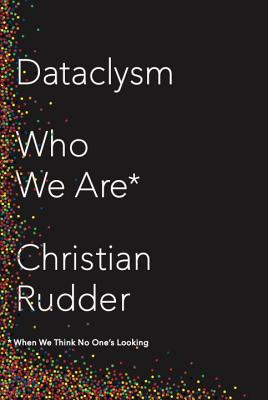
Dataclysm: Who We Are (When We Think No One's Looking) by Christian Rudder

An audacious, irreverent investigation of human behavior—and a first look at a revolution in the making 

Our personal data has been used to spy on us, hire and fire us, and sell us stuff we don’t need. In Dataclysm, Christian Rudder uses it to show us who we truly are. For centuries, we’ve relied on polling or small-scale lab experiments to study human behavior. Today, a new approach is possible. As we live more of our lives online, researchers can finally observe us directly, in vast numbers, and without filters. Data scientists have become the new demographers. 

In this daring and original book, Rudder explains how Facebook "likes" can predict, with surprising accuracy, a person’s sexual orientation and even intelligence; how attractive women receive exponentially more interview requests; and why you must have haters to be hot. He charts the rise and fall of America’s most reviled word through Google Search and examines the new dynamics of collaborative rage on Twitter. He shows how people express themselves, both privately and publicly. What is the least Asian thing you can say? Do people bathe more in Vermont or New Jersey? What do black women think about Simon & Garfunkel? (Hint: they don’t think about Simon & Garfunkel.) Rudder also traces human migration over time, showing how groups of people move from certain small towns to the same big cities across the globe. And he grapples with the challenge of maintaining privacy in a world where these explorations are possible. 

Visually arresting and full of wit and insight, Dataclysm is a new way of seeing ourselves—a brilliant alchemy, in which math is made human and numbers become the narrative of our time.

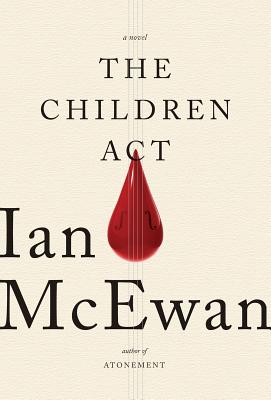
The Children Act by Ian McEwan

Fiona Maye is a leading High Court judge who presides over cases in the family court. She is renowned for her fierce intelligence, exactitude, and sensitivity. But her professional success belies private sorrow and domestic strife. There is the lingering regret of her childlessness, and now her marriage of thirty years is in crisis. 

At the same time, she is called on to try an urgent case: Adam, a beautiful seventeen-year-old boy, is refusing for religious reasons the medical treatment that could save his life, and his devout parents echo his wishes. Time is running out. Should the secular court overrule sincerely expressed faith? In the course of reaching a decision, Fiona visits Adam in the hospital—an encounter that stirs long-buried feelings in her and powerful new emotions in the boy. Her judgment has momentous consequences for them both. 

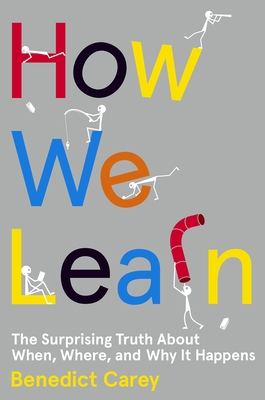
How We Learn: The Surprising Truth About When, Where, and Why it Happens by Benedict Carey
In the tradition of The Power of Habit and Thinking, Fast and Slow comes a practical, playful, and endlessly fascinating guide to what we really know about learning and memory today—and how we can apply it to our own lives. 

From an early age, it is drilled into our heads: Restlessness, distraction, and ignorance are the enemies of success. We’re told that learning is all self-discipline, that we must confine ourselves to designated study areas, turn off the music, and maintain a strict ritual if we want to ace that test, memorize that presentation, or nail that piano recital. But what if almost everything we were told about learning is wrong? And what if there was a way to achieve more with less effort? 

In How We Learn, award-winning science reporter Benedict Carey sifts through decades of education research and landmark studies to uncover the truth about how our brains absorb and retain information. What he discovers is that, from the moment we are born, we are all learning quickly, efficiently, and automatically; but in our zeal to systematize the process we have ignored valuable, naturally enjoyable learning tools like forgetting, sleeping, and daydreaming. Is a dedicated desk in a quiet room really the best way to study? Can altering your routine improve your recall? Are there times when distraction is good? Is repetition necessary? Carey’s search for answers to these questions yields a wealth of strategies that make learning more a part of our everyday lives—and less of a chore.

New Paperbacks


Salinger by David Sheilds & Shane Salerno

Sunday, August 31, 2014

Book News and Other Miscellany

Volume 1, Issue 2

***
Brickjest is absolutely, hands down, the coolest thing on the internet. It's a Lego translation of David Foster Wallace's epic Infinte Jest as interpreted by a father son duo. It's unbelievable!


***

Jon Stewart took a long break from his Daily Show hosting duties to adapt and film a movie version of the book Then They Came For Me: A Family's Story of Love, Captivity, and Survival by Maziar Bahari and Aimee Molloy. The movie is called Rosewater, and here's the trailer:


***

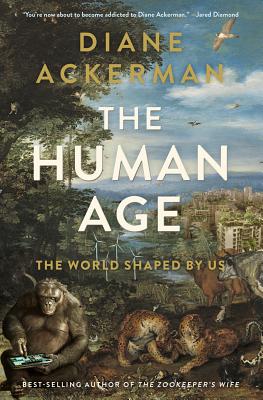
Here is Flavorwire's list of the 25 Must-Read Books for Fall. Starring, among others, Diane Ackerman! Incidentally, we'll be welcoming Diane and her new book The Human Age: The World Shaped by Us as a part of the Ravenna Luncheon Series on Tuesday, September 16th at 1PM. This is a ticketed event, $40 includes a copy of the book and a delicious lunch from Vios. Seats are sure to go quickly so call the Ravenna Store (206)-525-2347.

Ackerman is justly celebrated for her unique insight into the natural world and our place in it. In this landmark book, she confronts the unprecedented reality that one prodigiously intelligent and meddlesome creature, Homo sapiens, is now the dominant force shaping the future of planet Earth.

Humans have "subdued 75 percent of the land surface, concocted a wizardry of industrial and medical marvels, strung lights all across the darkness." We tinker with nature at every opportunity; we garden the planet with our preferred species of plants and animals, many of them invasive; and we have even altered the climate, threatening our own extinction. Yet we reckon with our own destructive capabilities in extraordinary acts of hope-filled creativity: we collect the DNA of vanishing species in a "frozen ark," equip orangutans with iPads, and create wearable technologies and synthetic species that might one day outsmart us. With her distinctive gift for making scientific discovery intelligible to the layperson, Ackerman takes us on an exhilarating journey through our new reality, introducing us to many of the people and ideas now creating perhaps saving our future and that of our fellow creatures.

***
Find out which character from American Literature you are!
Take this quiz.

***

The Amazon war has headed overseas. In an attempt to support and protect independent bookstores, the French Government has passed a new law making it illegal for large online retailers, namely Amazon, to ship books free of charge. And in Japan, publishers have condemned Amazon's latest ranking system. Read more here.

***


***
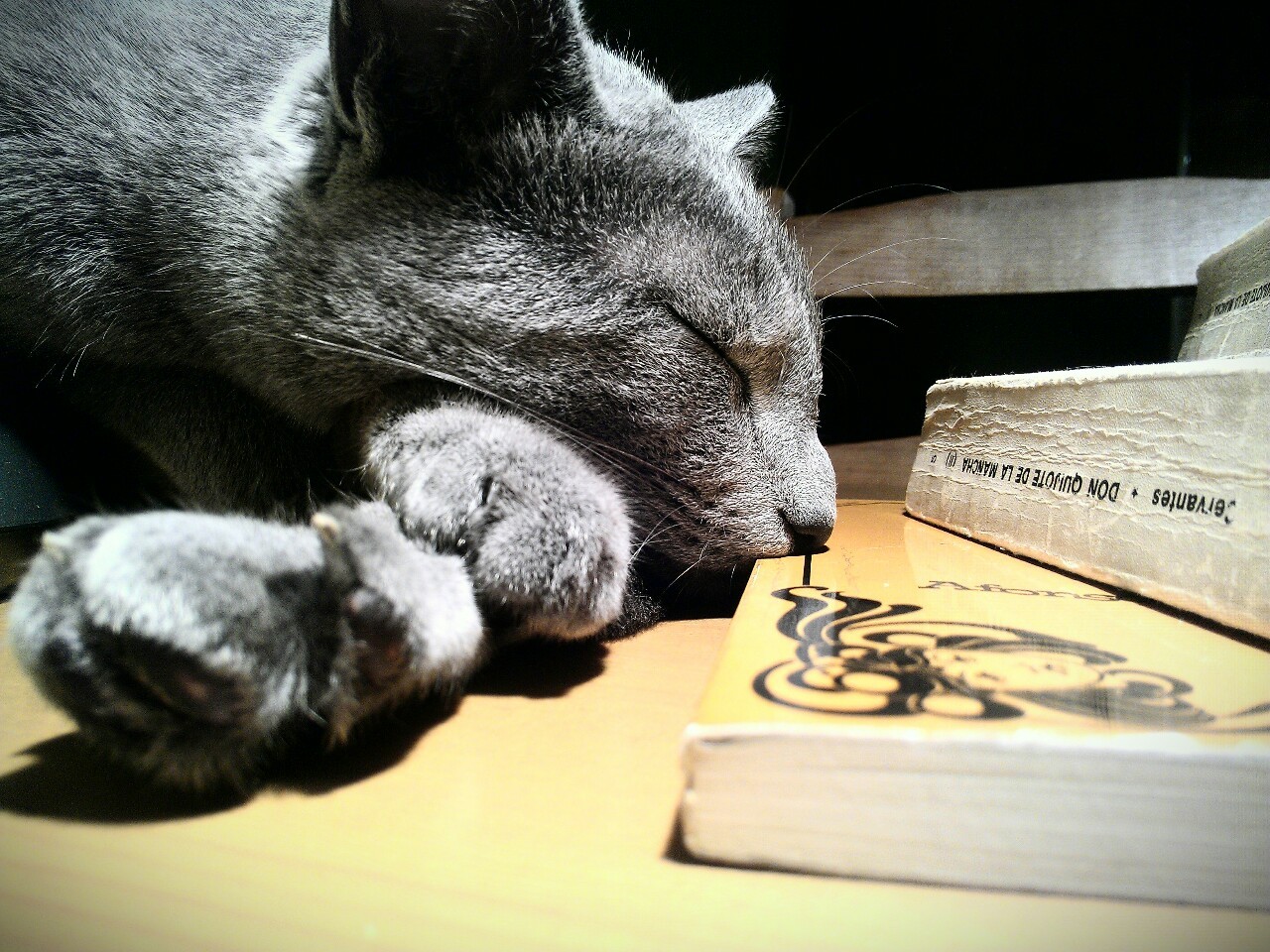
Annnnnnd a cat with some books.

Saturday, August 30, 2014

Meet the Author: Stuart Rojstaczer and The Mathematician's Shiva

We here at the Ravenna location are getting pretty keyed-up for our upcoming events. This fall is chock full of great author visits, and other awesome activities like a pajama party for kids, storytime for grown-ups, and some huge author luncheons.

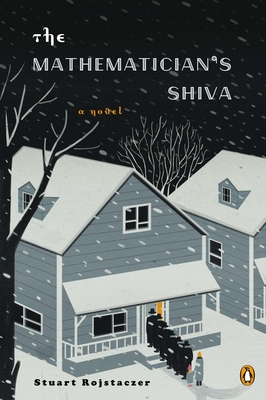
First up, we are so excited to welcome Stuart Rojstaczer and his new novel The Mathematician's Shiva. Stuart has been a university professor, a dishwasher, a musician, a scientist, the nation's foremost expert on grade inflation, and now a novelist. To get you equally keyed-up, and as a sort of introduction, we've asked Stuart a few bookish questions.

Stuart will join us at the Ravenna location on Satuday, September 6th at 7 PM.

What is the last really great book you read?
The last new or newish book was The Orphan Master's Son by Adam Johnson. The last older book was Dead Souls by Nikolai Gogol (a re-read).

What are the next few books on your to-read list?
If you could read one book again for the first time, what book would it be?
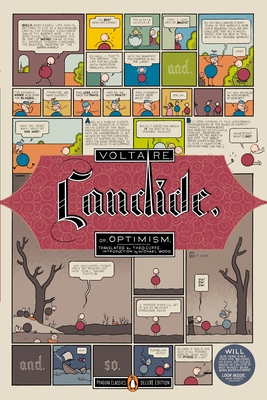
Candide by Voltaire. I think that was the first time I realized you could be smart and funny and still be important as a writer. I loved the feeling that recognition gave me and I'd love to re-experience it.

What book would people be surprised that you've read and enjoyed? 
Cheaper by the Dozen by Frank Gilbreth and Ernestine Gilbreth Carey. I read it to my daughter years ago. It's not well written, but it's a fun story about a geeky, brainy family. That's my kind of family.

How are your bookshelves arranged at home?
All fiction and letters of fiction writers are in one grouping arranged alphabetically by author. Then there is a travel section arranged alphabetically by city/country. Then there is a baseball section. Then there is an education section. Then there is the "everything else" section arranged alphabetically by author.

What is your favorite bookstore? 
Books Inc. in Palo Alto, CA. It's not only a great little bookstore with a knowledgeable staff, but that staff will also, on occasion, serve up a stiff margarita. Take that, Amazon!

Who are your 5 favorite authors?
That's a loaded question! If favorite means, ooh, a new book is coming out, I've gotta get it, then number one right now would be Ian McEwan. There are a boat load of contemporary authors I admire. In terms of living American writers who have paid their dues and would be first on a ballot of Hall of Famers (and there should be a Writers Hall of Fame somewhere in America): in no particular order, Doctorow, Smiley, Ford, Chabon, Pynchon, and Banks. That's six. I'll stop there.

Do you have any weird writing process quirks?
I say a little "prayer" in Yiddish when I start. It's a kind of summoning. Seems to set the mood quite nicely.
  
What's next for you? 
Finish my next novel!

You should also check out Stuart's interesting Publisher's Weekly piece on the difference between doing science and writing novels.

The Mathematician's Shiva by Stuart Rojstaczer

“A brilliant and compelling family saga full of warmth, pathos, history, and humor.” –Jonathan Evison, author of West of Here 

“A hugely entertaining debut.” –Publishers Weekly

When the greatest female mathematician in history passes away, her son, Alexander “Sasha” Karnokovitch, just wants to mourn his mother in peace. But rumor has it the notoriously eccentric Polish émigré has solved one of the most difficult problems in all of mathematics, and has spitefully taken the solution to her grave. As a ragtag group of mathematicians from around the world descends upon Rachela’s shiva, determined to find the proof or solve it for themselves—even if it means prying up the floorboards for notes or desperately scrutinizing the mutterings of her African Grey parrot—Sasha must come to terms with his mother’s outsized influence on his life.

Spanning decades and continents, from a crowded living room in Madison, Wisconsin, to the windswept beach on the Barents Sea where a young Rachela had her first mathematical breakthrough, The Mathematician’s Shiva is an unexpectedly moving and uproariously funny novel that captures humanity’s drive not just to survive, but to achieve the impossible.

Friday, August 29, 2014

Read This Book

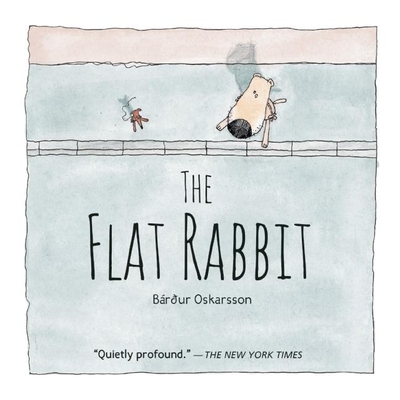
Mark B. is crazy about this new children's book from Bardur Oskarsson. And I have to agree. I am pretty picky when it comes to children's books. It needs to be original, beautiful, and with just the right amount of words. That's right, too many words, and I don't even bother. Well, this one meets all three of my criteria, plus it has a pretty important message delivered without an ounce of sentimentality. One of a kind. Here's what Mark has to say:
The Flat Rabbit is a book about life and death. A dog and a rat come across a ex-rabbit in the road that they vaguely remember from the neighborhood. Their dilemma is deciding what to do with this now very flat rabbit. This children's book ponders the imponderables, without trying to provide trite and cheesy answers. I love a book that can proudly state "I don't know."
The Flat Rabbit  by Bardur Oskarsson

When a dog and a rat come upon a rabbit flattened on the road in their neighborhood, they contemplate her situation, wondering what they should do to help her. They decide it can’t be much fun to lie there; she should be moved. But how? And to where? Finally, the dog comes up with an inspired and unique idea and they work together through the night to make it happen. Once finished, they can’t be positive, but they think they have done their best to help the flat rabbit get somewhere better than the middle of the road where they found her. Sparely told with simple artwork, The Flat Rabbit treats the concept of death with a sense of compassion and gentle humor — and a note of practicality. In the end, the dog’s and the rat’s caring, thoughtful approach results in an unusual yet perfect way to respect their departed friend.

Monday, August 25, 2014

New Release Tuesday!

This Tuesday has it all! Letters, poetry, young adult, sci fi, new authors. It's starting to feel like fall around here.

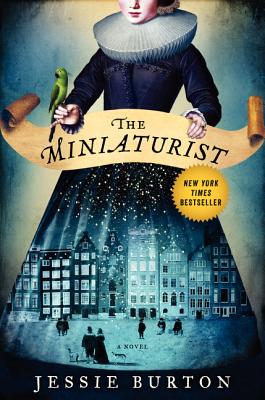
 The Miniaturist by Jessie Burton

On a brisk autumn day in 1686, eighteen-year-old Nella Oortman arrives in Amsterdam to begin a new life as the wife of illustrious merchant trader Johannes Brandt. But her new home, while splendorous, is not welcoming. Johannes is kind yet distant, always locked in his study or at his warehouse office-leaving Nella alone with his sister, the sharp-tongued and forbidding Marin.

But Nella's life changes when Johannes presents her with an extraordinary wedding gift: a cabinet-sized replica of their home. To furnish her gift, Nella engages the services of a miniaturist-an elusive and enigmatic artist whose tiny creations mirror their real-life counterparts in eerie and unexpected ways...

Johannes's gift helps Nella pierce the closed world of the Brandt household. But as she uncovers its unusual secrets, she begins to understand-and fear-the escalating dangers that await them all. In this repressively pious society where gold is worshipped second only to God, to be different is a threat to the moral fabric of society, and not even a man as rich as Johannes is safe. Only one person seems to see the fate that awaits them. Is the miniaturist the key to their salvation...or the architect of their destruction?

Lock In by John Scalzi

Not too long from today, a new, highly contagious virus makes its way across the globe. Most who get sick experience nothing worse than flu, fever and headaches. But for the unlucky one percent – and nearly five million souls in the United States alone – the disease causes "Lock In": Victims fully awake and aware, but unable to move or respond to stimulus. The disease affects young, old, rich, poor, people of every color and creed. The world changes to meet the challenge.

A quarter of a century later, in a world shaped by what’s now known as "Haden’s syndrome," rookie FBI agent Chris Shane is paired with veteran agent Leslie Vann. The two of them are assigned what appears to be a Haden-related murder at the Watergate Hotel, with a suspect who is an "integrator" – someone who can let the locked in borrow their bodies for a time. If the Integrator was carrying a Haden client, then naming the suspect for the murder becomes that much more complicated.

But "complicated" doesn’t begin to describe it. As Shane and Vann began to unravel the threads of the murder, it becomes clear that the real mystery – and the real crime – is bigger than anyone could have imagined. The world of the locked in is changing, and with the change comes opportunities that the ambitious will seize at any cost. The investigation that began as a murder case takes Shane and Vann from the halls of corporate power to the virtual spaces of the locked in, and to the very heart of an emerging, surprising new human culture. It’s nothing you could have expected.

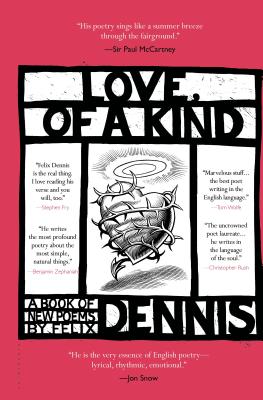
Love, of a Kind: A Book of New Poems by Felix Dennis

Love, of a Kind was compiled and partly written under the illusion of a death sentence. Diagnosed with cancer of the throat in January 2012 (he is now, happily, in remission), Felix Dennis responded by selecting, revising, and writing poems for what he believed would be his last book. Given the circumstances, his themes—love, life, death, and taking stock—resonate ever more meaningfully.

The poems in Love, of a Kind pull no punches, make no excuses, and seem ever ready to spit in the eye of mortality; poems that Shirley Conran has said "invoke sorrow as fast as regret, pain as readily as passion, and love as tenderly as murderous rage." Featuring beautiful line drawings by Eric Gill, Love, of a Kind presents a writer at the peak of his creative powers.

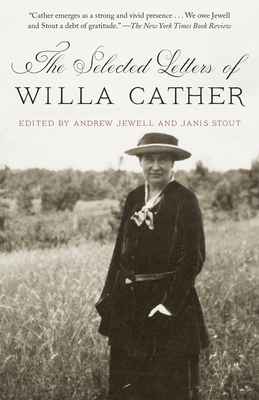
Selected Letters of Willa Cather  edited by Andrew Jewell and Janis Stout

Willa Cather’s letters—withheld from publication for more than six decades—are finally available to the public in this fascinating selection. The hundreds collected here range from witty reports of life as a teenager in Red Cloud in the 1880s through her college years at the University of Nebraska, her time as a journalist in Pittsburgh and New York, and her growing eminence as a novelist. They describe her many travels and record her last years, when the loss of loved ones and the disasters of World War II brought her near to despair. Above all, they reveal her passionate interest in people, literature, and the arts. The voice is one we recognize from her fiction: confident, elegant, detailed, openhearted, concerned with profound ideas, but also at times sentimental, sarcastic, and funny. A deep pleasure to read, this volume reveals the intimate joys and sorrows of one of America’s most admired writers.

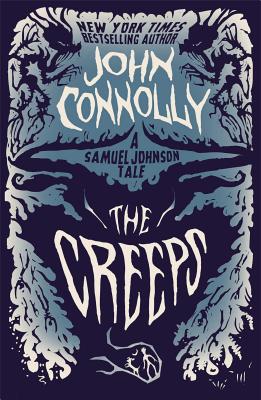
The Creeps: A Samuel Johnson Tale by John Connoly

In this clever and quirky follow-up to The Gates and The Infernals, Samuel Johnson's life seems to have finally settled down--after all, he's still got the company of his faithful dachshund Boswell and his bumbling demon friend Nurd; he has foiled the dreaded forces of darkness not once but twice; and he's now dating the lovely Lucy Highmore.

But things in the little English town of Biddlecombe rarely run smoothly for long. Shadows are gathering in the skies; a black heart of pure evil is bubbling with revenge; and it rather looks as if the Multiverse is about to come to an end, starting with Biddlecombe. When a new toy shop's opening goes terrifyingly awry, Samuel must gather a ragtag band of dwarfs, policemen, and very polite monsters to face down the greatest threat the Multiverse has ever known, not to mention assorted vampires, a girl with an unnatural fondness for spiders, and highly flammable unfriendly elves.

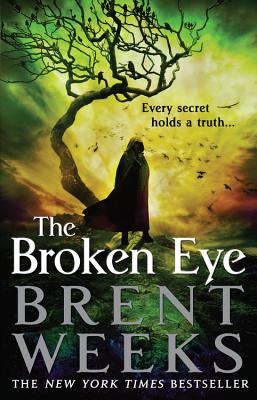
The Broken Eye by Brent Weeks

The Broken Eye continues the spectacular Lightbringer series from the New York Times bestselling author of The Black Prism and The Blinding Knife.

As the old gods awaken and satrapies splinter, the Chromeria races to find the only man who can still end a civil war before it engulfs the known world. But Gavin Guile has been captured by an old enemy and enslaved on a pirate galley. Worse still, Gavin has lost more than his powers as Prism--he can't use magic at all.

Without the protection of his father, Kip Guile will face a master of shadows as his grandfather moves to choose a new Prism and put himself in power. With Teia and Karris, Kip will have to use all his wits to survive a secret war between noble houses, religious factions, rebels, and an ascendant order of hidden assassins called The Broken Eye.

yolo by Lauren Myracle
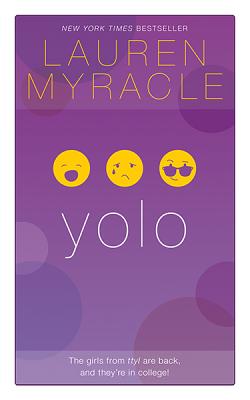
The "New York Times"-bestselling, beloved Internet Girls series (ttyl, ttfn) followed the ups and downs of school for three very different, very close friends. Now it's freshman year of college for the winsome threesome, and "everything" is different. Myracle brings her groundbreaking series into the brave new virtual world of texting and tweets.

Sunday, August 17, 2014

Read These Books: Super Deluxe Edition

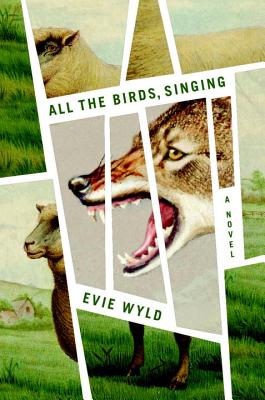
Awhile back I told you about All the Birds, Singing by Evie Wyld. Well since then, it's caught on like wildfire around here. What can I say, I have excellent taste (full disclosure, I was told to read this by a friend who read it, so really she should get all the credit). Robert, Katherine, and Mark B. have all read it and LOVED it.

Here's what I had to say about it:
If you're looking for a tidy little book, a book that ties up all its loose ends, fits all the puzzle pieces together, resolves every mysterious plot line...this is not the book for you. But who wants that anyway? Life isn't tidy, so this just feels more real. 

All the Birds, Singing is crammed full of hidden pasts, unraveling lives, and mysterious strangers. A bleak and wind-whipped British island is home to Jake Whyte, a solitary woman who raises sheep and keeps the locals as far away as she can. She's hiding something, and now her sheep are being hunted and mutilated, and Jake might be next. 

What makes this book impossible to put down is the unique structure Evie Wyld employs. In alternating chapters, between the the eerie present day mystery, she tells the story of Jake's secret past in the burning isolation of rural Australia. But these flashbacks run backwards in time, bringing the reader ever closer to the tragic secret that sets Jake's life spiraling out of her control. 

This is a dark but beautiful book that I just could not put down. Even a week after reading it, it's lingering on my mind. Plus, I really like a book title with punctuation in it.

And Mark seconds:
One of my favorite books in recent years. This is a page-turner to the nth degree with scenes that will burn a permanent place in you memories.

Most of us here have really different reading tastes, so it's not often that so many of us will like the same books. Imagine our surprise when it happened again, just a few weeks later. Now, this next book isn't actually out yet, so I'll be sure to remind you about it as its release date approaches. But, you really must read Station Eleven.

I never actually clarified this, but I heard that Robert had read and enjoyed Station Eleven, and since I have liked several of Robert's suggestions, I grabbed the first advance copy that turned up in the store.

I loved it. Then Mark read it and he stayed up til 4:30 one morning to finish it. And then Alex read it, and he can't stop talking about it.

And it is so good. It's post apocalypse, but really different than other dystopian novels I've read. I have a hard time describing it so I'll let the jacket copy tell you all that. Just know that it's smart and  beautifully written and you'll be tearing through it when it comes out September 9th.

Station Eleven by Emily St. John Mandel
An audacious, darkly glittering novel set in the eerie days of civilization’s collapse, Station Eleven tells the spellbinding story of a Hollywood star, his would-be savior, and a nomadic group of actors roaming the scattered outposts of the Great Lakes region, risking everything for art and humanity. 

One snowy night Arthur Leander, a famous actor, has a heart attack onstage during a production of King Lear. Jeevan Chaudhary, a paparazzo-turned-EMT, is in the audience and leaps to his aid. A child actress named Kirsten Raymonde watches in horror as Jeevan performs CPR, pumping Arthur’s chest as the curtain drops, but Arthur is dead. That same night, as Jeevan walks home from the theater, a terrible flu begins to spread. Hospitals are flooded and Jeevan and his brother barricade themselves inside an apartment, watching out the window as cars clog the highways, gunshots ring out, and life disintegrates around them. 

Fifteen years later, Kirsten is an actress with the Traveling Symphony. Together, this small troupe moves between the settlements of an altered world, performing Shakespeare and music for scattered communities of survivors. Written on their caravan, and tattooed on Kirsten’s arm is a line from Star Trek: “Because survival is insufficient.” But when they arrive in St. Deborah by the Water, they encounter a violent prophet who digs graves for anyone who dares to leave. 

Spanning decades, moving back and forth in time, and vividly depicting life before and after the pandemic, this suspenseful, elegiac novel is rife with beauty. As Arthur falls in and out of love, as Jeevan watches the newscasters say their final good-byes, and as Kirsten finds herself caught in the crosshairs of the prophet, we see the strange twists of fate that connect them all. A novel of art, memory, and ambition, Station Eleven tells a story about the relationships that sustain us, the ephemeral nature of fame, and the beauty of the world as we know it.

Thursday, August 14, 2014

Back To School...Yay?

I think I can hear exuberant cheers, and sighs of dread in equal measure. It's back-to-school time, and some people seem to be really excited about it, while others are decidedly not. Actually, funny story, today I was ringing up a young fellow who was buying a book I know is on one of the school reading lists, and as he walked out the doors, he audibly groaned. Hopefully merely in response to being told what to read, and not reading in general.

At any rate, we've got a whole bunch of suggestions for getting everyone ready for the new school year.

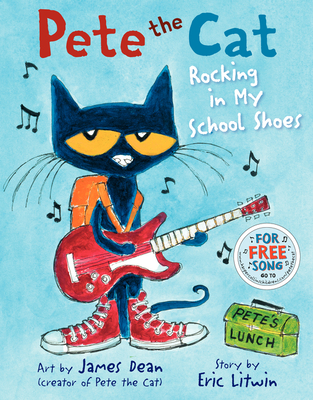
This one is Patti's favorite, she says it's great for getting kids used to the hustle and bustle of a busy, noisy school.:

Pete the Cat is back—and this time he’s rocking in his school shoes. Pete discovers the library, the lunchroom, the playground, and lots of other cool places at school. And no matter where he goes, Pete never stops moving and grooving and singing his song . . . because it’s all good.

Emily and I totally agree that Ramona Quimby, Age 8 it the go-to back-to-school book.

Ramona Quimby, Age 8 by Beverly Cleary
Ramona's job is to be nice to fussy Mrs. Kemp, who watches her while her mother works. If Mrs. Quimby didn't work, Mr. Quimby couldn't return to college. On top of all that, third grade isn't turning out as Ramona expected. Danny the Yard Ape teases her and, on one horrible day, she throws up—at school. Being eight isn't easy, but it's never dull!

But back-to-school isn't just for the kids. Want to relive those heady first days of college, away from home, coming of age?...well, maybe not.  But too bad! There's a whole genre out there all about growing up, moving on, learning lessons; the Campus Novel.

We've got a display at Ravenna featuring some of the best campus novels out there.  And here's a list (MORE LISTS!) of The 50 Greatest Campus Novels. Note: Ami and I would like to make an addendum to this list and include Harry Potter and the Sorcerer's Stone, because it is the essential campus novel.

My Education by Susan Choi
Regina Gottlieb had been warned about Professor Nicholas Brodeur long before arriving as a graduate student at his prestigious university high on a pastoral hill. He’s said to lie in the dark in his office while undergraduate women read couplets to him. He’s condemned on the walls of the women’s restroom, and enjoys films by Roman Polanski. But no one has warned Regina about his exceptional physical beauty—or his charismatic, volatile wife.

My Education is the story of Regina’s mistakes, which only begin in the bedroom, and end—if they do—fifteen years in the future and thousands of miles away. By turns erotic and completely catastrophic, Regina’s misadventures demonstrate what can happen when the chasm between desire and duty is too wide to bridge.

Zuleika Dobson: Or, and Oxford Love Story by Max Beerbohm
Sir Henry Maximilian “Max” Beerbohm was, like his friend Oscar Wilde, such an acclaimed wit (and essayist, caricaturist, and parodist) that George Bernard Shaw dubbed him “the incomparable Max.” But Beerbohm’s comic masterpiece Zuleika Dobson—one of the Modern Library’s top 100 English-language novels of the twentieth century—is the only novel he ever wrote. 

Strangely out of print in the United States for years, this crackling farce is nonetheless as piercing and fresh as when it first appeared in 1911: a hilarious dismantling of academia and privilege, and a swashbuckling lampooning of class systems and notions of masculine virtue.

The all-male campus of Oxford—Beerbohm’s alma mater—is a place where aesthetics holds sway above all else, and where witty intellectuals reign. Things haven’t changed for its privileged student body for years . . . until the beguiling music-hall prestidigitator Zuleika Dobson shows up.

The book’s marvelous prose dances along the line between reality and the absurd as students and dons alike fall at Zuleika’s feet, and she cuts a wide swath across the campus—until she encounters one young aristocrat for whom she is astonished to find she has feelings.

As Zuleika, and her creator, zero in on their targets, the book takes some surprising and dark twists on its way to a truly startling ending—an ending so striking that readers will understand why Virginia Woolf said that “Mr. Beerbohm in his way is perfect.”

Saturday, August 9, 2014

Listing Lists

The last thing you probably need is a list of books to read. If you're at all like me, you already have a precariously teetering stack of to-read books on your nightstand (a precariously teetering stack that seems to grow on its own at a rather alarming rate). And you've probably got plenty of friends telling you to read this or that book next. Or maybe it's a list of things to be read for school. Well, I joyfully disregard your overabundance of books to read, and add to it with this list of lists.

From the New York Times Bestseller List to the Indie Bound Next List, there's no shortage of lists offering reading suggestions. But I argue that there is a shortage of truly original and interesting lists. I don't want a list of books I already know I should be reading. I want a list of books I've never even considered reading, or better yet, never even heard of. So here are a few of the lists I've come across that offer up a different kind of book. Pay no attention to the numbering, these aren't in any particular order.

1. New York Review of Books: NYRB Classics
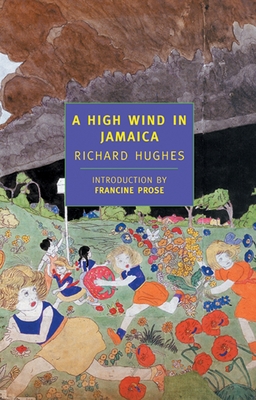
Ok, so I'm starting this list about lists with not so much a list but more of an endorsement for an entire line of books. The NYRB Classics imprint has published hundreds of titles since it first released A High Wind in Jamaica by Richard Hughes in 1999. NYRB Classics rescues books from oblivion, returning works to print that have been wrongly forgotten, or offering translations previously unavailable in English. Some of my very favorite books come from this series... *cough, cough* Stoner *cough, cough* Added bonus, NRYBs are beautiful, both their signature covers and all lined up chromatically on a shelf.


2. Flavorwire Books
So, the second entry on my list of lists isn't a list either, but a source for great lists. If you are looking for an interesting and original list of books to read, this is the place. As evidence, I offer this perfect list of 25 Books that Tell You Everything You Need to Know About New York. This list contains a couple of NYRB Classics, naturally, but it also has my new favorite book, Dancer from the Dance by Andrew Holleran (fair warning, if you read this blog with any regularity, be prepared to hear much, much more about Dancer from the Dance). More evidence of Flavorwire's list superiority...50 Excellent Novels by Female Writers Under 50 That Everyone Should Read. While their listmaking may be top notch, I will concede that perhaps shorter list titles may be in order.

3. Powell's Books, 25 Books You Must Read Before You Die
Hey, look! An actual list! I'm a bookseller, I trust other booksellers. Especially these booksellers.

...and speaking of booksellers...

4. Third Place Books, Bookseller Top Tens
Don't forget our year-end lists. Shameless plug. With such a large staff of people with wildly differing reading tastes, you're bound to come across something interesting

5. The Daphne Awards Shortlist
This one is pretty amazing, and maybe my favorite of the lists. Bookslut has created an award in order to determine the best book of the year...from 50 years ago. The argument being that maybe it takes a little longer than 365 days to determine what book will actually stand the test of time. And it's a good argument if you consider this: 1963 saw the release of Sylvia Plath's The Bell Jar, but it was John Updike's The Centaur (WHAT!??!?) that won the National Book Award, and there wasn't even a Pulitzer Prize for fiction awarded that year. Not to mention the complete disregard of James Baldwin's The Fire Next Time by all of the awards. Here is what Bookslut founder Jessa Crispin has to say:
Book awards, for the most part, celebrate mediocrity. It takes decades for the reader to catch up to a genius book, it takes years away from hype, publicity teams, and favoritism to see that some books just aren't that good.
Here's more of that interview from Melville House.  AND  here is the shortlist for the Daphne Awards set to be announced later this month.

6. Book Riot, Ten Best Top 100 Books Lists
Clearly, this strange need to list and rank other ranked lists isn't limited to just me. Here is a great list of other great lists. Of note, one of the few lists of best nonfiction. And I particularly love the 100 Favorite Novels of Librarians which features over 40 works written by women, as compared to the Modern Library Best 100 Novels of the 20th Century, which only has nine works written by women.

So there you have it. Some interesting lists for your perusal. Now get reading.

Monday, August 4, 2014

New Release Tuesday!

The Magician's Land by Lev Grossman
SQUEEEEEEE! I'm so excited for this one!
 
The stunning conclusion to the New York Times bestselling Magicians trilogy.

Quentin Coldwater has lost everything. He has been cast out of Fillory, the secret magical land of his childhood dreams that he once ruled. Everything he had fought so hard for, not to mention his closest friends, is sealed away in a land Quentin may never again visit. With nothing left to lose he returns to where his story began, the Brakebills Preparatory College of Magic. But he can’t hide from his past, and it’s not long before it comes looking for him. Meanwhile, the magical barriers that keep Fillory safe are failing, and barbarians from the north have invaded. Eliot and Janet, the rulers of Fillory, embark on a final quest to save their beloved world, only to discover a situation far more complex—and far more dire—than anyone had envisioned.

Along with Plum, a brilliant young magician with a dark secret of her own, Quentin sets out on a crooked path through a magical demimonde of gray magic and desperate characters. His new life takes him back to old haunts, like Antarctica and the Neitherlands, and old friends he thought were lost forever. He uncovers buried secrets and hidden evils and ultimately the key to a sorcerous masterwork, a spell that could create a magical utopia. But all roads lead back to Fillory, where Quentin must face his fears and put things right or die trying.

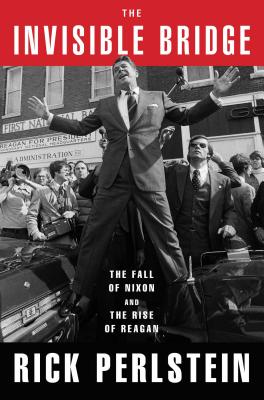
The Invisible Bridge: The Fall of Nixon and the Rise of Reagan by Rick Perlstein

In January of 1973 Richard Nixon announced the end of the Vietnam War and prepared for a triumphant second term--until televised Watergate hearings revealed his White House as little better than a mafia den. The next president declared upon Nixon's resignation "our long national nightmare is over"--but then congressional investigators exposed the CIA for assassinating foreign leaders. The collapse of the South Vietnamese government rendered moot the sacrifice of some 58,000 American lives. The economy was in tatters. And as Americans began thinking about their nation in a new way--as one more nation among nations, no more providential than any other--the pundits declared that from now on successful politicians would be the ones who honored this chastened new national mood.

Ronald Reagan never got the message. Which was why, when he announced his intention to challenge President Ford for the 1976 Republican nomination, those same pundits dismissed him--until, amazingly, it started to look like he just might "win." He was inventing the new conservative political culture we know now, in which a vision of patriotism rooted in a sense of American limits was derailed in America's Bicentennial year by the rise of the smiling politician from Hollywood. Against a backdrop of melodramas from the Arab oil embargo to Patty Hearst to the near-bankruptcy of America's greatest city, "The Invisible Bridge "asks the question: what does it mean to" "believe in America? To wave a flag--or to reject the glibness of the flag wavers?

NEW IN PAPERBACK

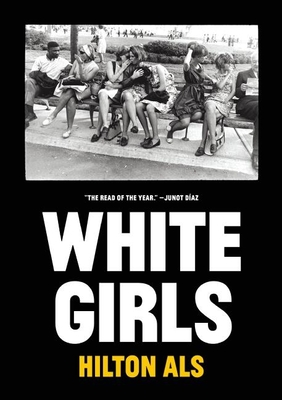
White Girls by Hilton Als

White Girls, Hilton Als’s first book since The Women fourteen years ago, finds one of The New Yorker's boldest cultural critics deftly weaving together his brilliant analyses of literature, art, and music with fearless insights on race, gender, and history. The result is an extraordinary, complex portrait of “white girls,” as Als dubs them—an expansive but precise category that encompasses figures as diverse as Truman Capote and Louise Brooks, Malcolm X and Flannery O’Connor. In pieces that hairpin between critique and meditation, fiction and nonfiction, high culture and low, the theoretical and the deeply personal, Als presents a stunning portrait of a writer by way of his subjects, and an invaluable guide to the culture of our time.


Just One Evil Act  by Elizabeth George

Barbara is at a loss: Hadiyyah, the daughter of her friend Taymullah Azhar, has been taken by her mother, and Barbara can’t really help. Azhar has no legal claim.

Just when Azhar is beginning to accept his soul-crushing loss, he gets more shocking news: Hadiyyah has been kidnapped from an Italian marketplace. As both Barbara and her partner, Inspector Thomas Lynley, soon discover, the case is far more complex than a typical kidnapping, revealing secrets that could have far-reaching effects outside of the investigation. With both her job and the life of a little girl on the line, Barbara must decide what matters most and how far she’s willing to go to protect it.

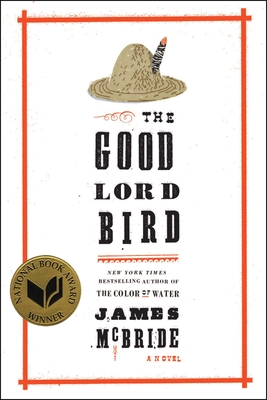
The Good Lord Bird by James McBride

Henry Shackleford is a young slave living in the Kansas Territory in 1857, when the region is a battleground between anti- and pro-slavery forces. When John Brown, the legendary abolitionist, arrives in the area, an argument between Brown and Henry’s master quickly turns violent. Henry is forced to leave town—with Brown, who believes he’s a girl.

Over the ensuing months, Henry—whom Brown nicknames Little Onion—conceals his true identity as he struggles to stay alive. Eventually Little Onion finds himself with Brown at the historic raid on Harpers Ferry in 1859—one of the great catalysts for the Civil War.