Welcome to the official blog of Third Place Books

Monday, August 29, 2016

When Nobody Loves the Book You Love

Have you ever watched your child perform really poorly? Like you're at the soccer field and your kid can't even drink his Gatorade without spilling it all down his front, let alone run fast or kick the ball with any sort of accuracy? How about a television show you love being cancelled after one season? Or when they stop making your favorite brand of novelty breakfast cereal (you broke my heart Rice Krispies Treats Cereal)? All of those feelings of sadness, disappointment, abandonment, and unfairness...those are the feelings I feel every day when I walk by the book I love and you haven't bought it yet. 

Only I feel all those feelings times one million.

I bet you didn't think bookselling involved such angst and anguish. Well, it does, and it's mostly your fault. You see, I read this book, this book I really loved. I told people about it. I staff picked it. I put it on Instagram. It featured on one of our monthly theme tables. But you didn't care. You ignored it. It's like I'm shouting to an empty room. Or a room filled with angry people trying to read the books they bought instead of the book I'm suggesting.

So here's my last ditch effort, and if a hastily crafted, marginally edited blog post won't convince you to buy it, I guess I'm not very good at my job. Fair warning, I'm not above some pretty dubious tactics. Like pilfering words from this New York Times Book Review by Leonard Pitts Jr.:
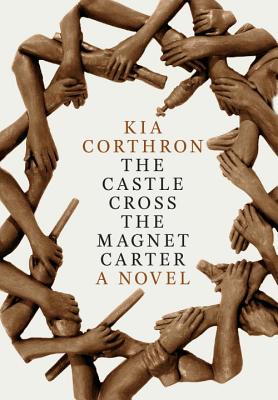
 The Castle Cross the Magnet Carter... a narrative that sweeps forward (and then back) between World War II and the first decade of the new millennium, touching on the civil rights movement, AIDS, deaf culture, lynching, love and sexuality, that emotional terrain remains the book’s bedrock.
...what Corthron does best in this book. She blindsides you. She sneaks up from behind. Sometimes, it is with moments of humor, but more often with moments of raw emotional power — moments whose pathos feels hard-earned and true.
The Castle Cross the Magnet Carter is a big book that has a lot — arguably too much — on its mind. But it succeeds admirably in a novel’s first and most difficult task: It makes you give a damn. It also does well by a novel’s second task: It sends you away pondering what it has to say.
What he said. 

And what's a little plagarism compared to the exploitation of a good friend's emotional health and job stability? Because, I haven't been entirely unable to sell this book, in fact I convinced a friend to read it and she loved it. She loved it so much she had to call in sick while she was reading it. She couldn't wait to finish and refused to read at work because she didn't want to cry in front of coworkers. Those are real emotions people.

I will even do the thing I hate most about bookselling: the comparison. Here goes:
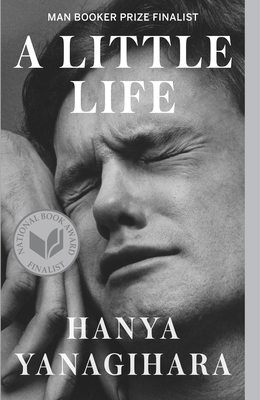
If you loved Hanya Yanagihara's A Little Life, then you will love The Castle Cross the Magnet Carter even more. They are both super long, super big books. 10 pounds each. Serious. Both have these characters your heart will break for. And both will make you weep. Castle Cross just does it WAY better.
And last but not least... I understand the importance of cover design, so I have updated the original cover with everyone's favorite things in an attempt to appeal to a wider audience.


All joking aside. The Castle Cross The Magnet Carter is a beautiful book. A sprawling, messy, sweeping epic. It gives you the chance to burrow in and really connect with the characters. Weirdly, Kia Corthron does a lot of things I usually hate: child narrators, dialects, switching perspectives, jumping through time. But in her hands they become this perfect conduit for a heartbreaking tale of race, sexuality, disability, familial strife, and the power of brotherhood. These pages deal with a lot of hate, sadness, and confusion but there's also a lot of courage and love here too. I wish this book were 800 more pages, and then 800 more after that.

Please read it. Don't let it be the book on the sidelines with Gatorade all down its front.

-Erin

Wednesday, August 17, 2016

Soon to be a Major Motion Picture

I was recently at the local cinema seeing a great art house piece, Ghostbusters. Perhaps you've heard of it? The movie was fantastic. Obviously. But the previews were pretty great too. And three of them are books!

For a book lover, I'm unusually unfazed by movie adaptations. I'm not the type to say, "the book is always better," because they really are two separate entities. But that doesn't mean an upcoming movie release won't compel me to read the book. Sometimes movie release schedules fairly dictate my to-read pile. Like right now.


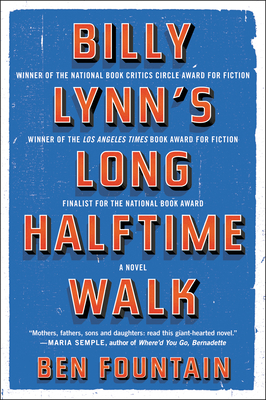
Three minutes and forty-three seconds of intense warfare with Iraqi insurgents has transformed the eight surviving men of Bravo Squad into America's most sought-after heroes. Now they're on a media-intensive nationwide tour to reinvigorate support for the war. On this rainy Thanksgiving, the Bravos are guests of the Dallas Cowboys, slated to be part of the halftime show alongside Destiny's Child.

Among the Bravos is Specialist Billy Lynn. Surrounded by patriots sporting flag pins on their lapels and Support Our Troops bumper stickers, he is thrust into the company of the Cowboys' owner and his coterie of wealthy colleagues; a born-again Cowboys cheerleader; a veteran Hollywood producer; and supersized players eager for a vicarious taste of war. Over the course of this day, Billy will drink and brawl, yearn for home and mourn those missing, face a heart-wrenching decision, and discover pure love and a bitter wisdom far beyond his years.


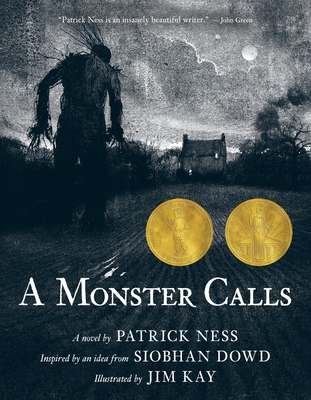
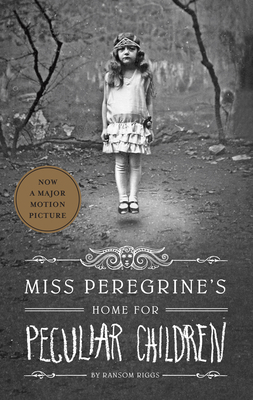
A Monster Calls by Patrick Ness

At seven minutes past midnight, thirteen-year-old Conor wakes to find a monster outside his bedroom window. But it isn't the monster Conor's been expecting-- he's been expecting the one from his nightmare, the nightmare he's had nearly every night since his mother started her treatments. The monster in his backyard is different. It's ancient. And wild. And it wants something from Conor. Something terrible and dangerous. It wants the truth. From the final idea of award-winning author Siobhan Dowd-- whose premature death from cancer prevented her from writing it herself-- Patrick Ness has spun a haunting and darkly funny novel of mischief, loss, and monsters both real and imagined.


A mysterious island.

An abandoned orphanage.

A strange collection of very curious photographs.

It all waits to be discovered in "Miss Peregrine's Home for Peculiar Children," an unforgettable novel that mixes fiction and photography in a thrilling reading experience. As our story opens, a horrific family tragedy sets sixteen-year-old Jacob journeying to a remote island off the coast of Wales, where he discovers the crumbling ruins of Miss Peregrine's Home for Peculiar Children. As Jacob explores its abandoned bedrooms and hallways, it becomes clear that the children were more than just peculiar. They may have been dangerous. They may have been quarantined on a deserted island for good reason. And somehow impossible though it seems they may still be alive. A spine-tingling fantasy illustrated with haunting vintage photography, "Miss Peregrine's Home for Peculiar Children" will delight adults, teens, and anyone who relishes an adventure in the shadows.


-Erin

Saturday, August 13, 2016

Going for Gold

I don't want to perpetuate any stereotypes and I'm not saying that booksellers can't be athletes, or that we aren't interested in sports or the Olympics, what I am saying is that literary prizes are usually more important to us than say who wins bronze in road biking.** So instead of honoring the greatest athletes in the world and all their feats of strength and agility, we are honoring the greatest writers in the world.

This month at Lake Forest Park we are featuring Literature Nobel Prize winners from all different countries. Because the great thing about the Nobel Prize is that it is awarded across all nations. They even get a medal. Just like the Olympics! Imagine an Author Olympics. Speed Editing! Synchronized Plot Development! Water Outlining! 

Check out our beautiful display all month long. We'll be playing various national anthems over the PA system. Actually, we won't.

**Except pentathlon. That's something I care deeply about


And if you are a bigger sports fan that we are, check out this new history of the Olympics:

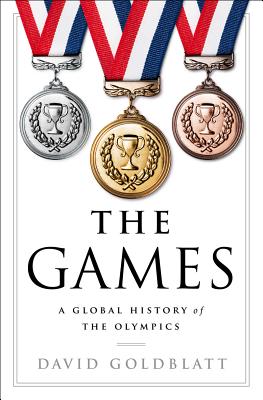
The Games : A Global History of the Olympics by David Goldblatt

For millions of people around the world, the Summer and Winter Games are a joy and a treasure, but how did they develop into a global colossus? How have they been buffeted by and, in turn, affected by world events? Why do we care about them so much?

From the reinvention of the Games in Athens in 1896 to Rio in 2016, best-selling sportswriter David Goldblatt brilliantly traces their history through national triumphs and tragedies, individual victories and failures. Here is the story of grand Olympic traditions such as winners medals, the torch relay, and the eternal flame. Here is the story of popular Olympic events such as gymnastics, the marathon, and alpine skiing (as well as discontinued ones like tug-of-war). And here in all their glory are Olympic icons from Jesse Owens to Nadia Comaneci, Abebe Bikila to Bob Beamon, the Dream Team to Usain Bolt.

Hailed in the Wall Street Journal for writing about sports with the expansive eye of a social and cultural critic, Goldblatt goes beyond the medal counts to tell how women fought to be included in the Olympics on equal terms, how the wounded of World War II led to the Paralympics, and how the Olympics reflect changing attitudes to race and ethnicity. He explores the tensions between the Games amateur ideals and professionalization and commercialism in sports, the pitched battles between cities for the right to host the Games, and their often disappointing economic legacy. And in covering such seminal moments as Jesse Owens and Hitler at Berlin in 1936, the Black Power salute at Mexico City in 1968, the massacre of Israeli athletes at Munich in 1972, and the Miracle on Ice at Lake Placid in 1980, Goldblatt shows how prominently the modern Olympics have highlighted profound domestic and international conflicts.

Illuminated with dazzling vignettes from over a century of the Olympics, this stunningly researched and engagingly written history captures the excitement, drama, and kaleidoscopic experience of the Games.

And last but not least, by far my favorite thing to come out of the Rio Olympics:

- Erin

Saturday, July 30, 2016

I Think You Forgot Something : Macdonald Harris

A dik-dik, to save you from googling 
I once worked with a young Harvard graduate, summa cum laude, the whole bit. On paper, she looked like the ideal person with whom to discuss literature: well-educated, great taste, interests best described as widely flung. But in reality, you could have more stimulating conversations about books with a drug-addled dik-dik. The most elaborate praise available from her was “it was good,” or “I liked it.” Sometimes, that little nudge can be enough to sway me; maybe I’m curious about a book or an author but for whatever reason don’t trust myself and the plaudits of another, no matter how mild, can bring my wallet into the light. But not often.

Most booksellers spend forty odd hours on the clock surrounded by unread and unfamiliar books and another 128 off the clock also surrounded by more unread and only slightly more familiar tomes. In our reading, it is the bookseller's curse that we are reading either six months ahead or ten years behind everyone else. Most booksellers find the traditional nightstand replaced by stacks of books, both the old and forgotten as well as the coveted not-yet-released. Over time, it can become difficult to entertain suggestions because those stacks, that daunting, swollen mass just cannot possibly bear another ounce.

Years ago, however, a novel came to my attention through a librarian pal whose recommendation was so fulsome, so bombastically positive, I had no choice but to heed it. Both title and author were unknown to me and the journey to reading it proved to be quite the undertaking. Published in 1964, Mortal Leap by Macdonald Harris went out of print almost immediately and it is impossible to find a decent copy for less than a cool six hundred dollars. It became my personal holy grail, the damn thing’s elusiveness creating an almost feral desire. I suggested it to the New York Review of Books for reprint multiple times, even creating an alias to submit multiple suggestions. I checked used book sites daily for a decent copy under three hundred dollars, the most I can conceive of paying for anything that doesn’t come with a roof or a motor.

Eventually I disavowed myself of the notion I could own a copy and, with a five dollar bill and the willingness of the good librarians of Issaquah, settled in with a brittle, near ruined copy of the book that had felt like nothing but pure myth for years. Lo and behold, it was worth every moment of the hunt, every failed footstep of the pursuit forgotten. Mortal Leap is a book so far beyond “good” that its greatness can only be experienced.


This is fiction writing at its finest: a story in the classical mode, lushly wrought with details that immediately establish a fully realized character and landscape. Harris reawakens a childlike sense of wonder and fascination, a passion for the possible that transports the reader fully. His gift is truly a marvel, an ability to craft stories that are so fantastic and immersive it borders on the terrifying. The relationship between the reader and the physical object is marvelously indescribable and only a true, ethereal talent can to make a pound of paper feel alive in your hands.

If you peruse the synopses of Harris’s other work, you can immediately see no two are alike. It is a motley collection of novels and is only unified by, other than its greatness, man’s elusive inability to know himself. If you’ve read five novels by white men, at least four addressed this moral mission. Yawn, yawn, yawn, right? Not here.

Mortal Leap is a quintessential, exemplary model of what fiction can and should do. In the most reductive terms, it is an adult's adventure tale, a la Jack London: affect-less Mormon boy, disinterested in the life laid out before him, follows his existential malaise to sea. There is a plot outside of little boy lost, but the book is so beautifully written and such a singular experience, I would be doing it an enormous disservice dressing it in the rags of my fumbling fanboydom. But if you need convincing, the book speaks for itself beautifully:
It was a part of myself that was my enemy; I still had a childish illusion that the flesh on my own bones was somehow unique and precious to the universe, in some obscure corner of my mind I wanted the others to love me and make exceptions for me simply because I felt heat and cold, pain and loneliness as they did. Now this was gone once and for all, and I understood there were no exceptions and on one was invulnerable, we all had to share the same conditions and in the end this was simply mortality, the mortality of things as well as ourselves. After that I didn't expect anybody to love me...
And a passage that should make any reader weak-kneed:
 The books were a private part of me that I carried inside and guarded and didn't talk to anybody about; as long as I had the books I could convince myself I was different from the others and my life wasn't quite as stupid and pointless.

Harris's is a body of work I only become more passionate about, both as I explore titles I haven’t read or mull over the handful that I have. Looking at the novels on the whole, comparisons are most easily made to the work of Paul Auster. Harris’s novels carry the same ruminative tone and irreverent sense of adventure and both boldly wear an ambition to stretch their craft and sense of reality. Also like Auster, there’s no impression Harris was hankering for clout or accolades but simply a love of a pure, simple form of storytelling.

None of this is as succinct a recommendation as “it’s good,” I know. But so remarkable is Macdonald Harris, so deserving of full-volume, roof-shaking praise, his work could turn even my plaintively praising former colleague into an ivory tower of babble.

-Wes

Saturday, July 16, 2016

Let's Talk About Shakespeare Related Things : Act II

Deceptively Delicious

Are you ready for my second attempt at convincing you that you should read every last word written by Shakespeare? Well, get ready.

Yup, I'm still obsessed with Shakespeare. Even if the other day my Herman Melville obsession flared up, my Shakespeare love remains strong. You might think I've got my literary ailments at cross purposes, but you'd be wrong. Turns out there's a whole lot of Shakespeare in Melville. There are those who argue that without Shakespeare, particularly   King Lear  and Macbeth, there would be no Moby Dick. When I say "those," I mean the people who write and edit Wikipedia articles.

In fact "those" same Wikipedia people claim that when Ahab finally shows up, his first long speech to the crew of the Pequod is virtually blank verse:
But look ye, Starbuck, what is said in heat,
That thing unsays itself. There are men
From whom warm words are small indignity.
I mean not to incense thee. Let it go.
Look! see yonder Turkish cheeks of spotted tawn--
Living, breathing pictures painted by the sun.
The pagan leopards--the unrecking and
Unworshipping things, that live; and seek and give
No reason for the torrid life they feel!
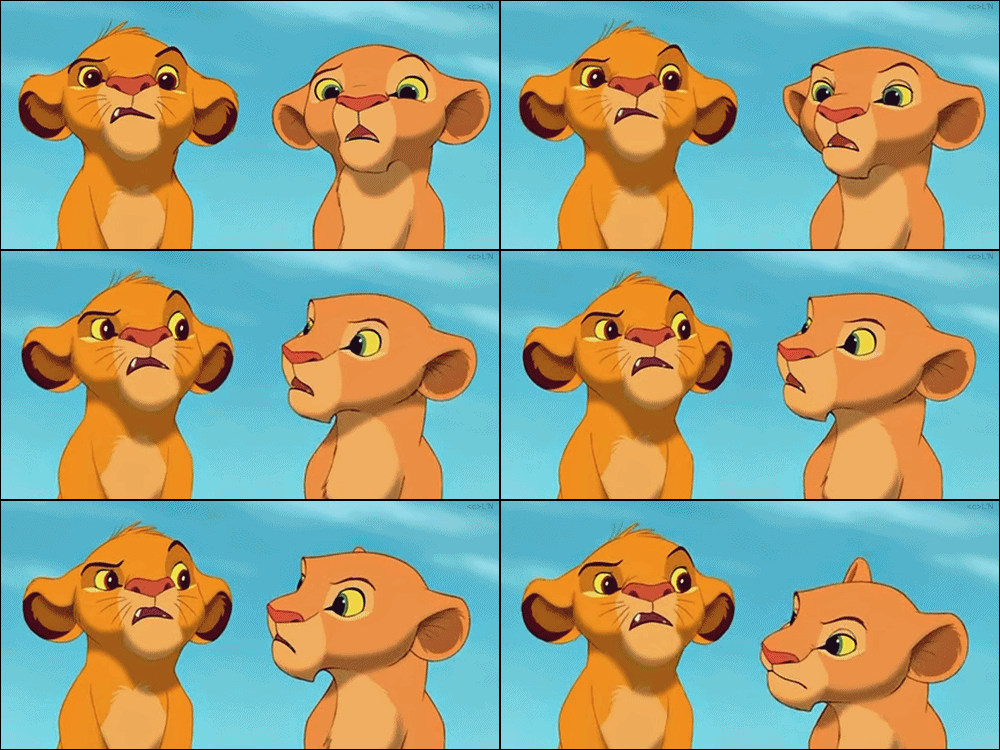
I know, I know, blank verse, Moby Dick, I'm not really selling it for you Shakespeare virgins. Well, what if I told you that Shakespeare influenced a whole heck of a lot more than just some dusty, old book about a whale? What if I told you, that without Shakespeare, there'd be no LION KING ???!!?!?!!


Oh, yeah, now you're interested. From West Side Story (Romeo and Juliet) to Ten Things I Hate About You (Taming of the Shrew); Sons of Anarchy (Hamlet) to Breaking Bad (Macbeth...allegedly) odds are you love something Shakespeare-based and don't even know it.

So, I've put together a list with some suggestions for other things Shakespeare-based-- you won't even be able to tell. It's like that cookbook that Jerry Seinfeld's wife put out to trick kids into eating vegetables. Yup, just like that.

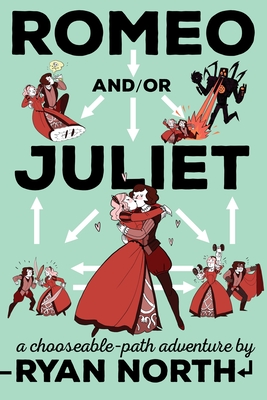
by Ryan North
O. M. G. It's a choose your own adventure book for grown ups! This one is based on Othello...kidding. It's based on Titus Andronicus.

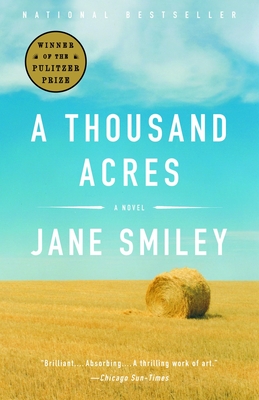
by Jane Smiley
True story, King Lear is my favorite Shakespeare. This novel is based on King Lear. I had no idea. That's how non-Shakespeare-y it is. It has nothing to do with how dumb I am.

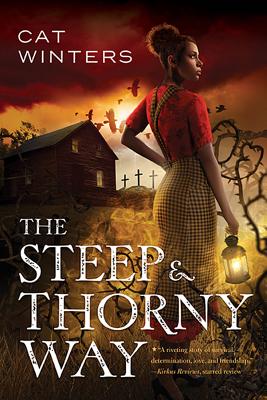
by Cat Winters
Cat Winters is a PNW author and this YA novel takes place in Oregon, explores US history and racism, and is based on Hamlet. And it's a lady cast as our tortured, young Dane. 

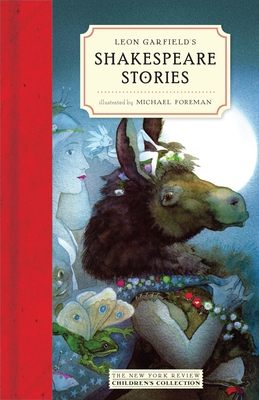
by Leon Garfield, illustrated by Michael Foreman
This one is my favorite of the bunch. A beautifully written collection of Shakespeare plays retold for little ears. It's the perfect introduction to hook them early. And there are pictures!

These titles and several others are on display at out Lake Forest Park store. The display features many of Shakespeare's greatest hits. And there are literally countless other books out there that would not exist if not for the Bard. Come on over to Lake Forest Park and see if any of these titles strike your fancy. The Shakespeare display table will be up through the end of July. My love will live on forever.

-Erin

Sunday, July 10, 2016

This is Switzerland

The Presidential election is 2016 is slowly but surely killing me. The will to engage in any discourse on the political spectrum has left. Last November I was full to the brim with righteous anger and ready to match, nay, overpower all the sexism and bigotry I witnessed with my feminism and tolerance. Now I'm just resigned to, "If you sexism me, I will feminist you."

Unfortunately, I shelve the Political Science section, and escape is not that easy. 

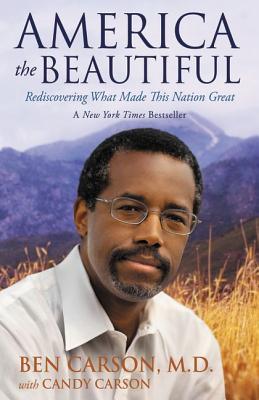
I watched Ben Carson's book America the Beautiful : Rediscovering What Made This Nation Great slowly rot on my shelves, itching for the moment I could tuck them away in the back where I could forget about their sad existence.
#thatcovertho

I watched a solid handful of books about why Hillary is a sign of the apocalypse/Satan's spawn, why she is a faux feminist, etc. My favorite is this one with a neon yellow and pink cover called Unlikable by Edward Klein. Mostly because all it does is make me think of the theme song for The Unbreakable Kimmy Schmidt (just substitute Unbreakable for Unlikable and you're all set) which puts more spring in my step than anything in that section these days.


Someone should talk to Hillary's team about adapting that song as her campaign theme. 

We as a bookstore carry books that have all sorts of ideas, political leanings and mantras. We endorse no one. But we do believe in representation and edification. Therefore, when ALL the presidential candidates release books (all 666 of them), we carry them in our store. Each and every one. We had a multitude of copies of A Time for Truth by Ted Cruz for a long time. And I dutifully made room for it on my shelves.

We sold one.

And yet, for weeks on end, whenever I went to Political Science to put out new arrivals, someone had placed Ted Cruz's book on display. And every time, I put it back on the shelf where they belong, readjusting my poor abused David Axelrod political bio. The next week someone retaliated by displaying a copy of Hard Choices in front of my display of Charles Krauthammer's book.

FIRST of all, 65% of the time what is displayed depends on how many copies we receive. If we get ten copies of a Kissinger book, it goes on display, no matter what I feel about it. The other 35% is whatever underdog I'm trying to give a boost to, or what cover is cooler. Marketing, man.

SECOND of all, even if you put a copy of Hard Choices on display in the Political Science area hoping to inspire someone to purchase said book, while I respect your choice of candidate, Hard Choices lives in the biography section. When someone stashes it somewhere it doesn't belong, some poor soul who REALLY wants to read Hillary's bio won't be able to find it.

And when other people start deciding where things go, it makes it difficult, nigh impossible, to locate books. Think of my shelving decisions as a dictatorship.

For the political minded whose minds are being melted by the 2016 Election, or if you can't find the political book you want to read because someone moved it, I give you a recommended reading list:


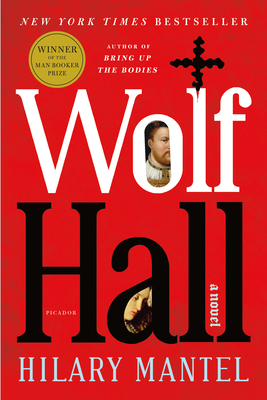
Wolf Hall by Hilary Mantel

Or: How Thomas Cromwell did a bang up job placating Henry Tudor and getting him a different wife and literally everything he wanted until he didn't want it anymore. It's still less confusing than this election.

Or, alternatively, if you've already jumped on the Wolf Hall bandwagon and/or are sick of the fascination with Tudor England, Mantel's book about the French Revolution, A Place of Greater Safety, is equally as good, while slightly more confusing. Though I maintain that the French Revolution is still not as terrible as this election.

The Femicide Machine by Sergio Gonzalez Rodriguez

Short. Brutal. Important. Tragic.
Feminism is important. Women and girls are still being slaughtered all over the world because they are not men. Sexism is not dead. Because it's still killing women.


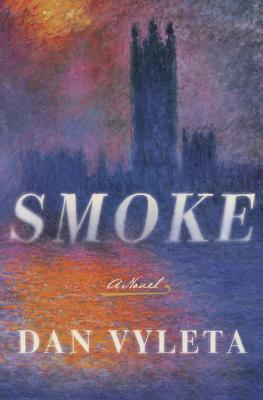
Smoke by Dan Vyleta

It's Dickensian and Dystopian. And get this--it's not young adult! Vyleta does an admirable job of exploring the nuances of human morality and our "sinful" nature through the premise that the human body literally smokes when it sins.
Lusting after your neighbor's wife? Smoke erupts from your body (it's color coded, by the way).
Greedy for the coins in your friend's hand? Soot stains the armpits of your shirt.
In the theme of this miserable election, just envision Donald Trump smoking every time he lies.

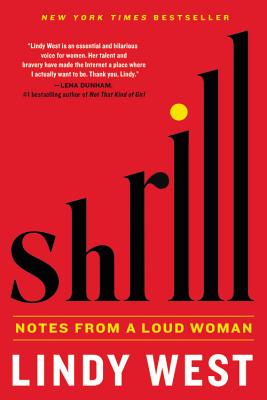
Shrill by Lindy West

By turns enlightening, hilarious and deeply moving, Lindy West is an important voice in the media these days. She came to our store to promote her book, and her first question from the audience was: What do you think we can expect from the 2016 election?
Lindy: Literally, I have no idea, and I don't even want to think about it.
Me neither, Lindy. Me neither.


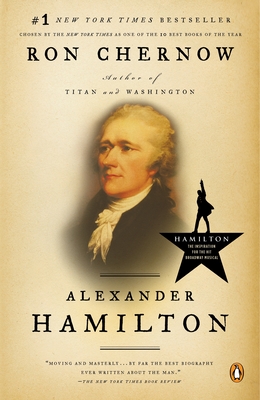
Alexander Hamilton, by Ron Chernow

Yes, I'm obsessed with the musical. But that's completely beside the point. I was browsing my social media, and this beautiful tumbr post popped up: Alexander Hamilton would have torn Donald Trump to pieces by now and also publicly humiliated him on multiple occasions. Read the book to find out how. Or just listen to the Cabinet Battles tracks on the soundtrack. Either way, it's a nice fantasy to live in.

-Lizzie

Sunday, June 19, 2016

Summer Reading on Display


Courtney fills you in on both of our theme tables dedicated to summer reading:

If you are prone to sun rashes like me, summer is the best time of the year to stay indoors. There's nothing I enjoy more than a beautiful sunny day spent avoiding the heat and the plethora of bugs, from the comfort of my cave troll like apartment. Better yet, there's nothing better than spending a whole summer reading. And...getting rewarded for it!


For grades k-12 you can pick up one of our Summer Passports to Reading at any Third Place Books location and receive a stamp in your passport for every book you read. And if the excitement and joy of reading isn't enough of a reward, every two stamps earns a new prize. One of which, is a delicious cookie or treat from our restaurant partners. Much like Scooby-Doo, Cookies are my biggest incentive to do anything so I totally understand if this is more rewarding than say...reading about extraordinary places you've never been to or fantastical worlds you can only imagine! No judgement guys.

Completed passports will be entered into a drawing for a $50 Third Place Books gift certificate. You can complete and enter as many passports as you like!

If you don't know where to get started, our amazing children's department booksellers have put together a wonderful arrangement of books. From Roald Dahl's terrifying book about the big friendly giant, to a class hamster who stars in a hamster race, they have you covered. Want a book about a friendship between a girl and her unicorn? Got it. What about a story about two seventh graders venturing into a dangerous and magical forest in the middle of Portland, Oregon? Done and Done. How about a young witch teaming up with a clan of six inch high blue men in order to rescue her baby brother?? Absolutely. Read away young ones.

***

And if you happen to be the type of person who does enjoy the outdoors well then gee whiz do I have some news for you!! This year marks the 100th birthday of the National Parks Service. A program older than Betty White by six years and ten years older than the Queen of England. If the National Park Service was a dog, it would be 413* human years old, that's 280 years older than Maggie, the World's oldest dog who died at 30 (133). 

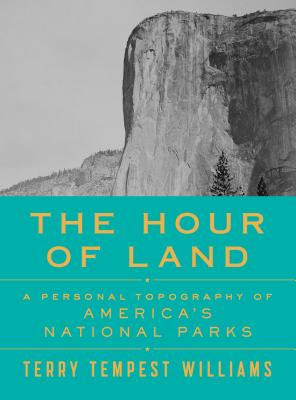
You don't even have to go outside to celebrate the National Parks. Just check out our display table with all the rad books about National Parks instead! What a fabulous way to avoid sunburn. Read about the history of several pacific northwest parks, memoirs regarding experiences, a guide to backpacking the parks and make sure to check out The National Parks: An Illustrated History, and Terry Tempest Williams latest, The Hour of Land : A Personal Topography of America's National Parks, because they definitely count as visiting the parks.

Check out both of our theme tables at the Lake Forest Park Store for more Summer Reading!

-Courtney

Tuesday, June 14, 2016

Grieving Through Reading

Whether reeling from personal tragedy, or the public grief of senseless violence, these books examine the beauty of life and love, the profound sadness of loss, and the importance of elegy and remembrance. 

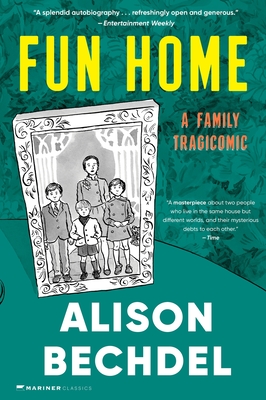
Fun Home by Alison Bechdel

Meet Alison's father, a historic preservation expert and obsessive restorer of the family's Victorian home, a third-generation funeral home director, a high school English teacher, an icily distant parent, and a closeted homosexual. Through narrative that is alternately heartbreaking and fiercely funny, we are drawn into a daughter's complex yearning for her father. And yet, apart from assigned stints dusting caskets at the family-owned "fun home," as Alison and her brothers call it, the relationship achieves its most intimate expression through the shared code of books. When Alison comes out as homosexual herself in late adolescence, the denouement is swift, graphic -- and redemptive.

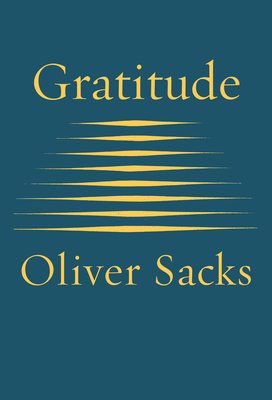
Gratitude by Oliver Sacks

My predominant feeling is one of gratitude. I have loved and been loved. I have been given much and I have given something in return. Above all, I have been a sentient being, a thinking animal, on this beautiful planet, and that in itself has been an enormous privilege and adventure. 

-Oliver Sacks

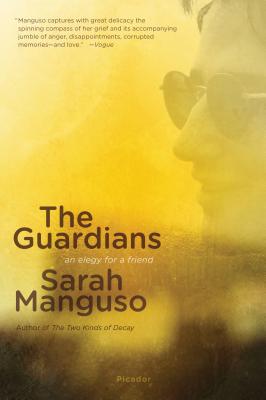
The Guardians by Sarah Manguso

Harris was a man who "played music, wrote software, wrote music, learned to drive, went to college, went to bed with girls." In "The Guardians," Manguso grieves not for family or for a lover, but for a best friend. With startling humor and candor, she paints a portrait of a friendship between a man and a woman in all its unexpected detail and shows that love and grief do not always take the shapes we expect them to.

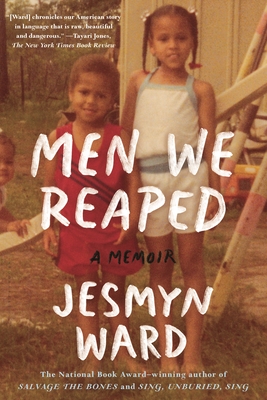
The Men We Reaped by Jessamyn Ward

"What I meant to say was this: You will always love him. He will always love you. Even though he is not here, he was here, and no one can change that. No one can take that away from you. If energy is neither created nor destroyed, and if your brother was here with his, his humor, his kindness, his hopes, doesn't this mean that what he was still exists somewhere, even if it's not here? Doesn't it? Because in order to get out of bed this morning, this is what I had to believe about my brother... But I didn't know how to say that." -Jesmyn Ward


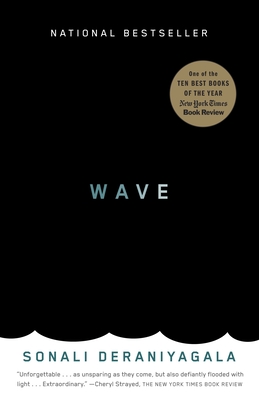
The Wave by Sonali Deraniyagala

“A haunting chronicle of love and horrifying loss. . . . Memory, sorrow, and undying love.” -Abraham Verghese

“Stories of grief, like stories of love, are of permanent literary interest when done well. . . . Greatness reverberates from [Deraniyagala’s] simple and supple prose.” -The New York Times

“An amazing, beautiful book.” -Joan Didion

“Out of unimaginable loss comes an unimaginably powerful book. . . . I urge you to read Wave. You will not be the same person after you’ve finished.” -Will Schwalbe

“Beautiful and ravaging . . . faultless prose.”-Daily Herald


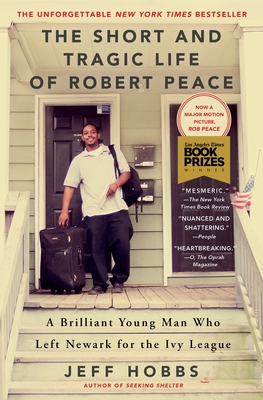
Part biography, part sociological expose on poverty, race, and education; all heart. Huge, huge heart. It's an honest portrayal of the life of an eager and vibrant young man. His family and friendships; trials, struggles, and successes; researched and uncovered by his college roommate and friend. And it clearly is the work of a friend, because the sense of loss and reverence in Hobbs' words is palpable.

Even knowing the inevitable end won't stop you from barreling through to the last page. A touching elegy and rumination on the senseless loss of our young men. It's a beautiful and essential book and it will break your heart. Read it. -Erin

Monday, May 30, 2016

Let's Talk About Shakespeare Related Things : Act I

I tried to write this as all one post, but it really got away from me. There is just WAY too much Shakespeare stuff I need to tell you about. So I'm breaking it down. Here it is, ACT I of me talking to you about Shakespeare related things.
***
I hesitate to say that all of our reading here at Third Place is influenced by Canadian Television; I don't want to over-generalize. But this is the second post in almost as many months to feature TV from north of the 49th Parallel.


Recently, I devoured all three seasons of Slings and Arrows. It's roughly 13.5 hours of near-perfection, all about a Canadian Shakespeare theater festival. Each season focuses on a separate play, really diving into it, and though the show is more focused on the relationships between the actors and employees, there are a lot of moments of beautifully acted Shakespeare. Plus it has loads of little inside jokes, and a ghost. It's smart, funny, and sweet and I really, really recommend it.


I will admit that I started watching this show, not because of my love for Shakespeare, but because of my love for the lead actor (he's soooooo cute). But there was a brief period in college when I would go to the drama department productions of overdone, usually modern-dress, very Rent-like Shakespeare plays. I loved being "into Shakespeare." I felt very artsy. But then I grew up and cared less about what people thought about the things I liked, and decided, my being "into" Shakespeare was really more for show. I didn't really get it. Shakespeare just seemed so obvious and the stories sort of unoriginal. Any comic relief in the plays was always juvenile and unfunny. And every other soliloquy riddled with cliches.

And then I started watching this ridiculous (awesome) Canadian television show. And sure, they cherry pick the most beautiful passages to present, but still it reignited my interest and though this makes me sound rather dense and obvious myself, I realized Shakespeare's stories and plots seem obvious because his writing has influenced so much of our culture. He's seeped into every last form of media. Of course he's going to seem unoriginal when we've spent all our lives consuming reincarnations and cheap knock-offs of his genius. Sometimes the comic relief feel so inane because the tragedy is so heartbreaking, that humor, any humor will inevitably fall flat. And all those cliches in every other soliloquy? Well, they weren't cliches when he wrote them. They became cliches because he wrote them. We've just been repeating them ever since.

You must watch this show. But be warned, you may find yourself reciting Shakespeare to your cats. Here's a little taste of those Canadian wizards at work:


-Erin

Wednesday, May 25, 2016

Read This Book: Epic, All-Staff, Event Edition

I have often heard bookselling referred to as a labor of love, which as you know implies we don't get paid very much. But while we may not be rich in cash money, we are basically swimming in free books.

How jealous must you ordinary people be of booksellers and our advance reader's copies? I'm guessing not as jealous as I want you to be.  I am constantly disappointed by the response I get when it pops up in conversation that I'm reading a yet-to-be published book. I find myself saying this a lot, "Excuse, me, I just want to make sure you understand, this book isn't available to you normals yet." 

I'm very popular at parties.

So. WAAAAAAAAAY back in January, I got to read the advance copy of Shrill: Notes from a Loud Woman by Lindy West. That's right while you all were still talking about Channing Tatum lip syncing Let it Go, and Patti LaBelle's new line of cakes, I was immersed in the genius, hilarious, fury-inducing musings of Seattle's very own, Lindy West.

After I read it, I passed it along to many of my coworkers and we've become kind of (very) fanatical in our adoration. You can ask Lindy's mom who totally shops here and doesn't seem the least bit uncomfortable that we all know her name. 


I feel like an unbearably hip person who loved that cool band first, before everyone else loved the cool band and then I no longer love the cool band because it's too mainstream. Except, I'm not that hip, and it's not a band, it's Lindy West, and I only want her to get more, and more popular. I want her book to be on every bestseller list, and every high school curriculum, and 30 copies of it in every library in the whole entire world. Everyone I know is getting a copy for their next birthday. Yes, even my nephews who are 3 and 5...especially my nephews. 

The essays in Shrill are funny, pointed, and razor-sharp and they'll make you feel strong and sad and angry and joyous all at once. Lindy will be reading, signing, and being generally awesome at our Lake Forest Park store tomorrow, Thursday, May 26th at 7PM! We can hardly contain ourselves.  -Erin


See below for some more of our fangirling:

I love this book, and I love Lindy West. She gave me feelings I didn't know I was capable of feeling. I felt validated and brave and often incedibly enraged on her behalf. She talks about issues like sexism, abortion and fat shaming, body issues and internet trolls with such a perfect blend  of humor empathy and wisdom. It's that combination of strength and wit that makes it such an unforgettable read. 
She is my hero, and I want her to be my best friend. I want to get matching BFF bracelets and take her to brunch so I can listen to her talk about whatever goes through her beautiful brain.  -Courtney
 ***
Shrill started a kind of internal revolution--in every one of us who read it here--that told me my humanity does not rest on my thinness, my gender, or any outside commentary on my physical existence. All I can say is since having read Shrill, I heave a sigh of relief anew each and every time I realize I don't have to hate my body because it is not "the perfect body", nor do I have to shrink into nothing every time I am too loud, too proud, too big, and too shrill. Thank you, Lindy.  -Lizzie
 ***
Lindy West makes feminism accessible without watering it down, which most of our media outlets flat out refuse to do. She makes the daily struggle to insist that others recognize our (women's) humanity HILARIOUS while not downplaying how effing atrocious the whole situation actually is.  -Anje

Sunday, April 24, 2016

Why Eh? : The Adventures of an Adult Reader

This is the first in a series featuring Courtney, a normally, Non-YA-Reading reader, reading YA. Got it?

***

I have always had a very intense (and completely rational) fear of borrowing books from friends. Not because my dog may likely chew on them like she once did to a very expensive textbook, or because I tend to walk like a baby deer and may trip at any given moment, and the loaned book may go flying into a conveniently placed sinkhole. No, the real source of my anxiety comes from the fear of hating the book they loved so much. I would never be able to look them in the eye. I would have to completely abandon my life and start anew in a different city with a fake ID and a new name. 

After enduring an incredibly passionate rant on Tamora Pierce’s books, from fellow bookseller, Lizzie, I was ordered to begin my education with The Song of the Lioness Series. She recomended these books with such a sense of awe and adoration, I began to sweat so much I became dehydrated. I have never found myself enjoying the fantasy genre so Lizzie's casual mention of sorcery and knighthood made me queasy, automatically assuming I would hate it.

But alas, like a majority of my fears it was for nothing. Thankfully I won’t have to retreat back to Alaska because I quickly fell in love with the character Alanna and the world Pierce created. Here is a book about a young girl who wants to be a knight, and instead of accepting the fact that its simply not allowed, she disguises herself as her brother in order to train. It’s a classic Shakespearean trope but unfortunately is still a relevant topic. Pierce ,though, never portrays her gender as a weakness or something incongruous with being a fighter and that is what makes all the difference. She trains among the boys, has all sorts of wild adventures, hangs out with princes and fights evil wizards and none of this is at odds with her perception of herself as a girl. Not only are these books overwhelmingly positive, but Alanna also has several romantic and sexual relationships, and the narrative contains no indication of slut- shaming or the hint that she should regret exploring her sexuality. Nor or any activities viewed as traditionally feminine are devalued either.

 It may also be important to note that this series came out in 1984 which is practically the stone age of YA. I could rant all day about the importance of characters like Alanna to young readers, and I wish this was a series I had been introduced to in the peak of my confusion and weirdness about being a girl. Especially when the only books at my library  had only male protagonists going on adventuress or were about traditionally feminine girls and their boy troubles. And for a young queer kid such as myself who has never been comfortable with the way femininity has often been shoved my way, it would have made a world of a difference if someone would have given me these books. Preferably a magical library troll or even a cool librarian who looks like Tina Fey and later becomes the Miss Honey to my Matilda. 

For now though, I have 24 more Tamora Pierce books to read and a Meg Cabot bookclub meeting to attend. So read these books, give them to everyone forever always as gifts, and bask in the amazingness that is Alanna.

-Courtney

(editor's note: I've used the old covers of these books because the current incarnation totally buys into gender norms and I think Alanna would disapprove.)

Wednesday, April 20, 2016

Eat Your Artichoke Heart Out

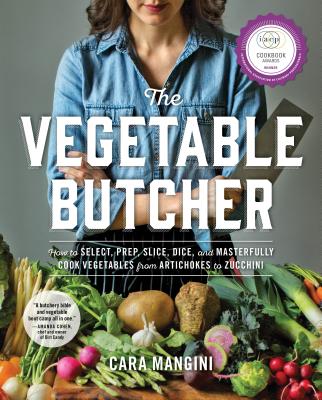
Back in January, our marvelous Workman Publishing sales representative asked if I'd be willing to participate in recipe testing for a forthcoming cookbook called The Vegetable Butcher: How to Select, Prep, Slice Dice, and Masterfully Cook Vegetables from Artichokes to Zucchini. When he said I'd receive some recipes and a box of artichokes, of course I agreed.

Fast forward to the end of March. I'm moving in 10 days, and my kitchen, usually replete with specialty gadgets, machines, spices, etc, is mostly packed up. Only the bare necessities – knives, cutting boards, a few pots and pans, salt and pepper – remain. And now, the long-ago promised box containing two pounds of baby artichokes appears on my desk.

I immediately went through a mental list of friends who might let me invade their kitchens for a evening,  but I was getting ahead of myself; I should at least look at the recipes before panicking.

Fortunately, the two baby artichoke recipes included in the excerpt appeared achievable in my minimized kitchen state. I chose to make the Baby Artichoke Torta, an egg-based baked dish with Parmesan, breadcrumbs, garlic, and onions. I hadn't prepared an artichoke in over 15 years (can you tell they're not my favorite?), so I followed the instructions for butchery and read the notes carefully. Too bad I wasn't so careful about reading the ingredients list before I started. I had to make a last-minute run to the grocery (thankfully across the street) for not one or two but FIVE ingredients. I think that's a personal record. Hey, I'm moving. I blame the stress.

I boiled the trimmed artichokes, then sauteed them with diced onion and minced garlic. Once the artichokes started to soften, I added a few spices and some freshly chopped parsley. Then I whisked 7 eggs and slowly added in the hot vegetable mixture. I added some breadcrumbs and Parmesan, tossed it all in an 8 x 8 baking pan (a glamorous disposable foil one that I'd found the week before in the recesses of a cabinet above the fridge), and baked it for 35 minutes.

As soon as it was in the oven, I bolted out the door to the bookstore to pick up the salvaged packing material I'd stashed earlier in the day, and I walked back in the door just as the timer sounded. Perfect! My apartment smelled of toasted breadcrumbs and parmesan with a veggie undertone.

I relaxed on the couch for ten minutes while dinner cooled, then cut squares of the torta and served it with a mixed green salad drizzled with olive oil and balsamic vinegar. The crumb topping was crispy, the filling flavorful, and the texture just right. Next time someone presents me with a pile of artichokes, I know just what I'll do.

-Emily

Thursday, March 31, 2016

Read This Book : Author Event Edition

Brian Castner, author of The Long Walk, will discuss his new, highly anticipated follow-up All the Ways We Kill and Die at our Lake Forest Park Store on Monday, April 4th at 7PM

In an extended profile about recent war literature, famed book critic of the New York Times, Michiko Kakutani wrote:
“War cracks people’s lives apart, unmasks the most extreme emotions, fuels the deepest existential questions. Even as the wars in Iraq and Afghanistan morph into shapeless struggles with no clear ends in sight, they have given birth to an extraordinary outpouring of writing that tries to make sense of it all: journalism that has unraveled the back story of how and why America went to war, and also a profusion of stories, novels, memoirs and poems that testify to the day-to-day realities and to the wars’ ever-unspooling human costs.”
Over the past few years many books by ex-military writers have been released to great acclaim. It has become difficult to pick which ones to read. As someone with no close personal ties to anyone in active service, I find the subject deeply fascinating for the very reasons Kakutani mentions.
Former Explosive Ordnance Disposal (EOD) officer Brian Caster is one of the writers featured in the New York Times article. Castner is the best-selling author of The Long Walk, and with his new book, All the Ways We Kill and Die, he solidifies his place as one of the best military authors writing today. 
Castner’s first book, The Long Walk, chronicles on his deeply personal account serving three tours of duty in the Middle East as commander of the EOD unit in Iraq. Rather than detailing the specifics of the various campaigns he led, the book focuses primarily on his postwar experience and the psychological struggle he faced returning from war.
His new book, All the Ways We Kill and Die, again draws the reader in by appealing to the pathos of war. In the opening pages we see Castner learn his close friend and EOD-brother has been killed in action in Afghanistan while Brian and his family sit by their Christmas tree at home in Buffalo, New York. The story launches into action from there as Castner, no stranger to such tragedies, becomes obsessed with the question, “Who is the man who killed my friend?”

In telling the story of his friend’s death, Castner profiles the struggling widow, two war amputees, female biometrics engineer, a bomb-maker, a contractor for hire, and, in one of the more fascinating and stunning sections of the book, a drone pilot. With these detailed accounts, the book pieces together the story of “The Engineer,” the man responsible for the bombs. Considerably more technical than his first book (a 7-page glossary in the book helps readers navigate Arabic, military jargon, and acronyms),  All the Ways We Kill and Die is a book that brings readers backstage, intimately unveiling modern warfare in a way that is completely fresh. Castner’s books are a must read for anyone wanting to know more about the real individual lives of the soldiers who fight the wars of today.

Join us at the Lake Forest Park store on Monday April 4 at 7pm to meet Brian Castner.
-Kalani

Sunday, March 27, 2016

I Think You Forgot Something : Barbara Gowdy

Erin and I recently found ourselves in a high-pitched conversation around our shared love of Canadian television and resultant frustration of its categorical dismissal in the American cultural colloquy, if it's considered at all. It was a conversation so animated it scared other booksellers into hiding, which is a shame because Canadian television is worth a little shouting and you guys missed some great recommendations.

Namely it was our shared love of Don McKellar that brought us to a tremulous fervor, most specifically my bark bark barking about his most recent series, Sensitive Skin. McKellar plays Al Jackson, a newspaper columnist who writes light, humorous cultural criticism and is invited to sit on a literary award's panel. In his typical fashion, Al overanalyzes his responsibilities and presents full-blown dissertations on each nominated book, only to be mortified upon realizing the other, more esteemed panel members dismiss each submission with a single repudiation of "garbage," "terrible," etc.

Adding to my already immeasurable delight that a sitcom would incorporate a literary award was the brief cameo of author Barbara Gowdy as a panel member. It was a two second appearance that sent me reeling into a two month rediscovery of a staggeringly talented and original writer.

Gowdy in Sensitive Skin

***

Enormously esteemed in Canada (and Germany, apparently?), Gowdy is widely read and critically hailed for her luxuriant prose that nestles against tales revolving around the darker human impulses. Our neighbors to the North celebrate her work as most American literary institutions praise Eggers, Egan, etc. So why, in almost twenty years as a bookseller, have I only encountered a total of four other readers who know who the hell she is? That boils down to one every five years and, especially after rereading the majority of her work for the blog, the obtuseness of her work and reputation became increasingly lamentable with each passing sentence.

Barbara Gowdy became known to American readers with her fifth book, The White Bone, which has remained a fairly popular book club selection since its release almost twenty years ago but it is her story collection, We So Seldom Look on Love, that is the most fitting entry point to what she does best. A collection full of tales that seamlessly shift between the lyrical and the macabre, it is also her most exaggerated; each narrative carrying the haunting, ominous air of an Ennio Morricone score. An uncompromising otherness inhabits each story, a situation or description that feels abrasive and utterly foreign, almost pornographically close, yet undeniably attractive.

There is something shocking in the sheer beauty with which Gowdy translates her supremely discomfiting material: the awkward, almost grotesquely detailed physicality of a truly unlikable behaviorally disabled foster child; a necrophile's desires stripped of their brutal implications by the author's intoxicating ability to seduce the reader; the humiliating rebellion of every young person's body is taken to a narrative nightmare alley of extremes by the presence of a pair of small, extremely delicate extra legs growing out of the young protagonist's torso in "Sylvie". What makes these stories, and all of Gowdy's work, so remarkable is her very singular ability to make us question and examine just how far it is a person has to travel before repugnance gives way to attraction. And, occasionally, how terrifyingly short that trip is.

***

In all of her work, the beautifully undulating atmosphere and refined tone is Gowdy's greatest strength and she is working at the height of her powers when she relaxes and focuses not on our physical oddities but our emotional deformities, The Romantic being the best example. Nominated for the Man Booker, it is a coming-of-age novel whose foundation is built on an ominous, broiling darkness brightened only by the protagonist's persistent grasp on pragmatism and emotional compartmentalization, the book finding its heartbeat in that juxtaposition.

Shortly after her mother abandons Louise and her father, Louise becomes infatuated with her new neighbors, the Richters. Her initial fascination belongs to Mrs. Richter; Louise's desire to fill the empty spaces left by her mother's disappearance convincing Louise that Mrs. Richter is her first true love. But it is Abel, the adopted and only child of the family, who will take hold of Louise's affections for more than a decade. As children, he inadvertently provides Louise with a much-needed lesson in developing her inner strength and certitude while much later acquainting Louise with the rapturous nature of passion and its much less friendly cousin obsession. The tone of their relationship and it's duality between light and dark is foretold exquisitely in an early chapter where, in the wooded outskirts of their suburb, Abel exposes one of nature's small fascinations in the eyes of a frog:
I am rudely startled. That something so glamorous could be contained in something so loathsome offends both my sense of fair play and my nervous grasp of cause and effect.
As in her more unconventional work, there is also a wonderfully unexpected sense of play at work in the novel's underpinnings. The character of Aunt Verna, the sister of Louise's father, who arrives to relieve some of the familial tension brought on by the mother's fleeing infuses the novel with a little humor, broadening its emotional scope. A loud, brash, intensely demonstrative woman, Verna is a former private investigator whose crowning achievement was solving a case for the actress Sophie Tucker, "whose kidnapped Siamese cat [she] single-handedly located, bound and gagged but alive, in a hotel laundry hamper."

While willing to shine some light here and there, for Gowdy it is the devil in the details that is most enticing. She seems to have an endless wealth of eloquent but gruesome vividity at her disposal. Most often, Gowdy's touch is a finer, sneakier thing. Hints of darker things to come, a nascent sense of dread, is illustrated in the every day: after Louise's mother intentionally fails to provide enough chairs for dinner guests and enjoys the ensuing awkwardness, it feels symbolic of the growing discord in the family, a warning shot. Other times the imagery is overt, like Louise's deflowering, a sensation "like a hundred tiny bones snapping" (those same broken bones are conjured again soon after in the depiction of the resultant fetus and its "bones brewing" inside her).

Abel continually exposes tiny freedoms and unexpected beauty to Louise, making it difficult for her and the reader to decide if it is Abel himself that is so addicting to her childhood self and shackles her to a lifetime of unflagging devotion, or if she is simply looking to sustain that adolescent sense of wonder.

But conscious or not, Louise's driving force is undeniably her faith in Abel, though he seems to desire nothing but absolute self-obliteration. They both romanticize the void, the vacuum created by the oneness of their impulses and insatiable appetites for their respective objects of desire. I found myself wholly immersed and devoted to both characters, oscillating wildly in my opinion of whose addiction is costlier and, as a result, struggled to recalibrate to my physical surrounding when setting the tale aside.

And therein lies Gowdy's magnificence - her characters, no matter how familiar or difficult to translate they may seem, are woven into the reader's everyday tapestry with the most exquisite subtlety. Such effortless grace and depth are a gift to any reader and to plate darker, subversive tales and sticky morality plays on fine bone china would expose most writers as barbarians. Gowdy, though? Her murkiness is dressed in a deceptive prettiness, a loveliness that draws the reader in only to leave them abandoned on the side of a dark, unfamiliar road with no idea how such a lovely Sunday drive could end so unpleasantly.

That ability to manipulate her audience, to infiltrate their subconscious and rewire their perceptions and expectations of how a plot should unfold or what a story's hero should be makes it easy to draw comparisons to Canada's most famous literary export, Margaret Atwood. But Gowdy is Atwood's cooler but possibly emotionally unstable step-sister: full of sharp edges, intimidatingly unpredictable, occasionally cagey in morality  but ultimately an elegant, beguiling mystery.

-Wes